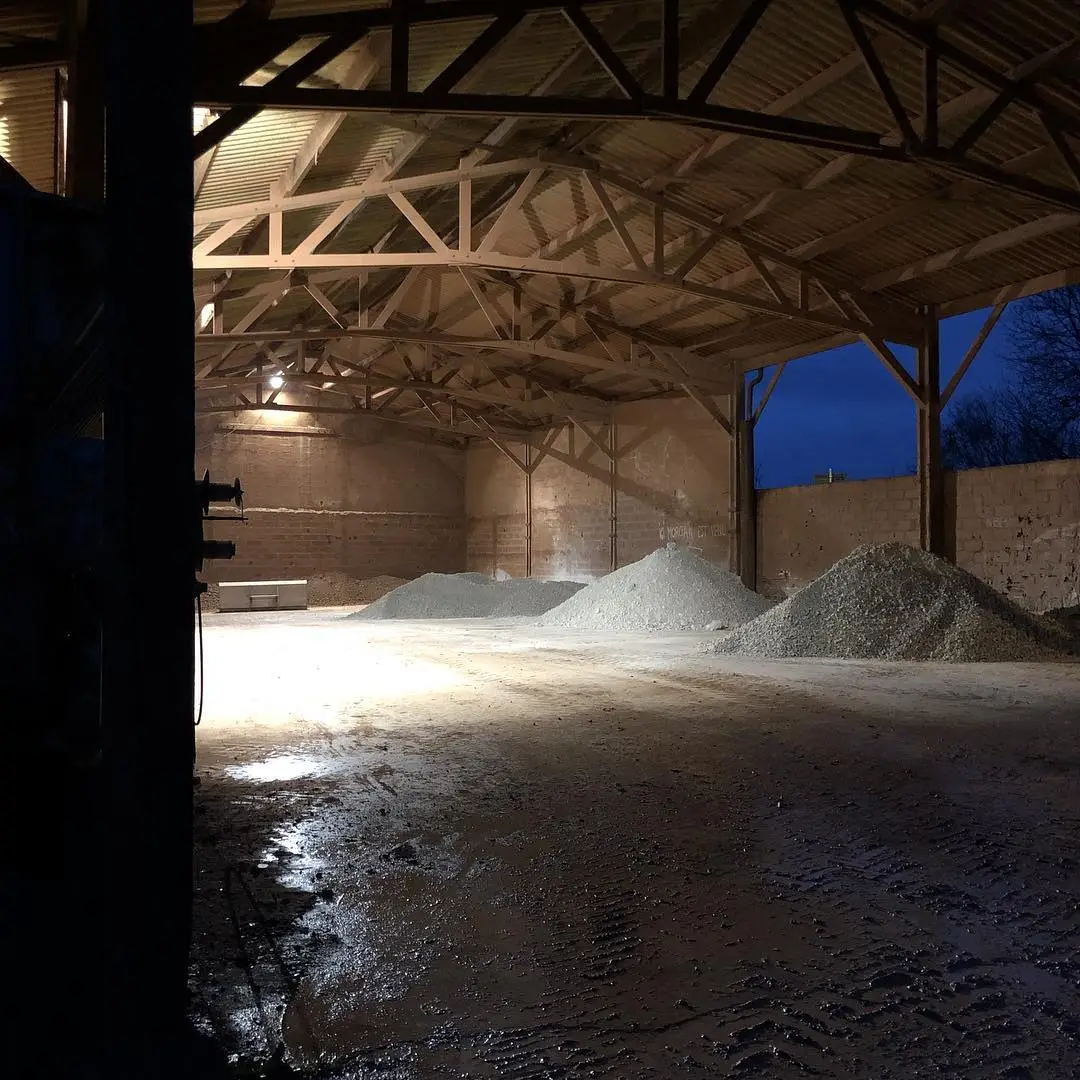
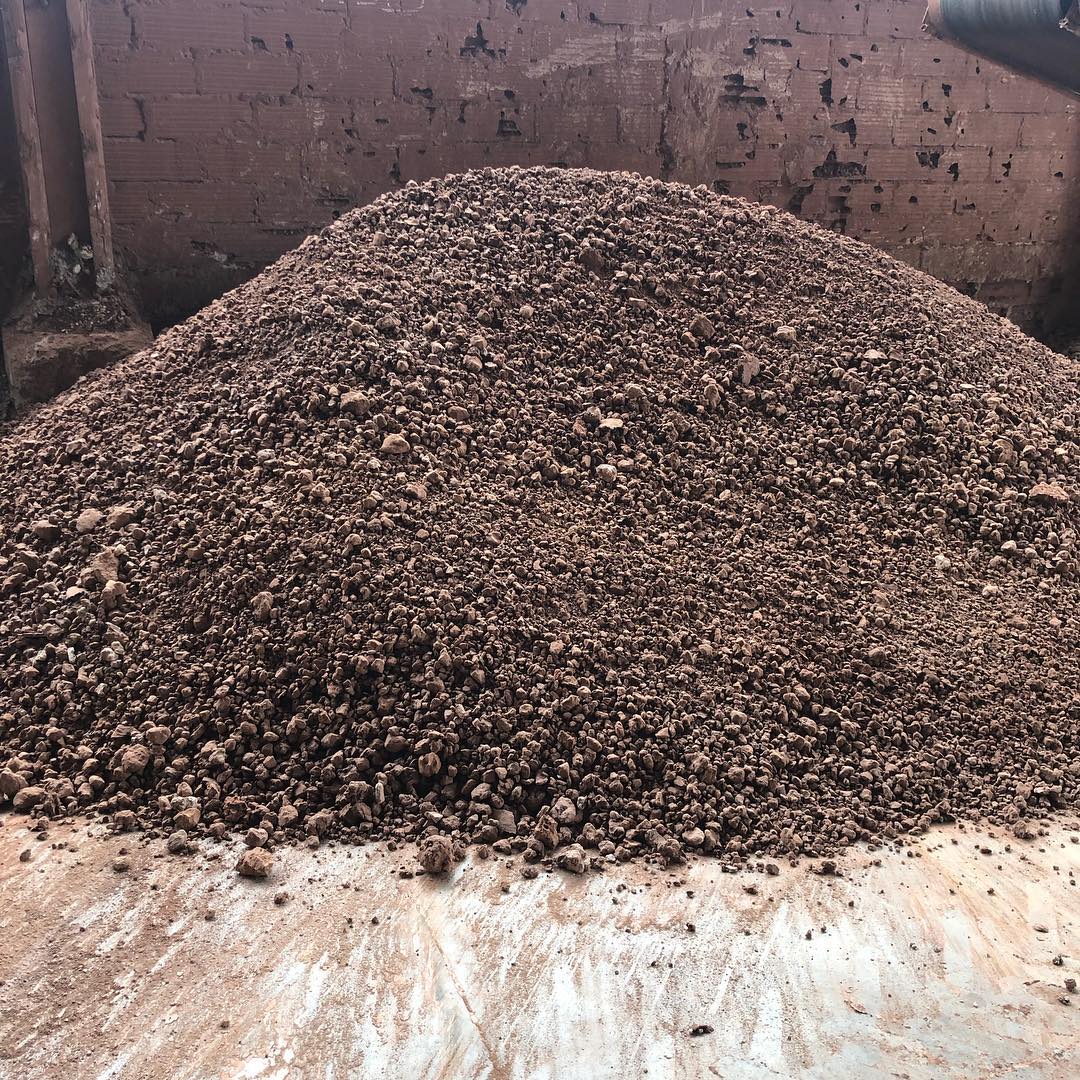
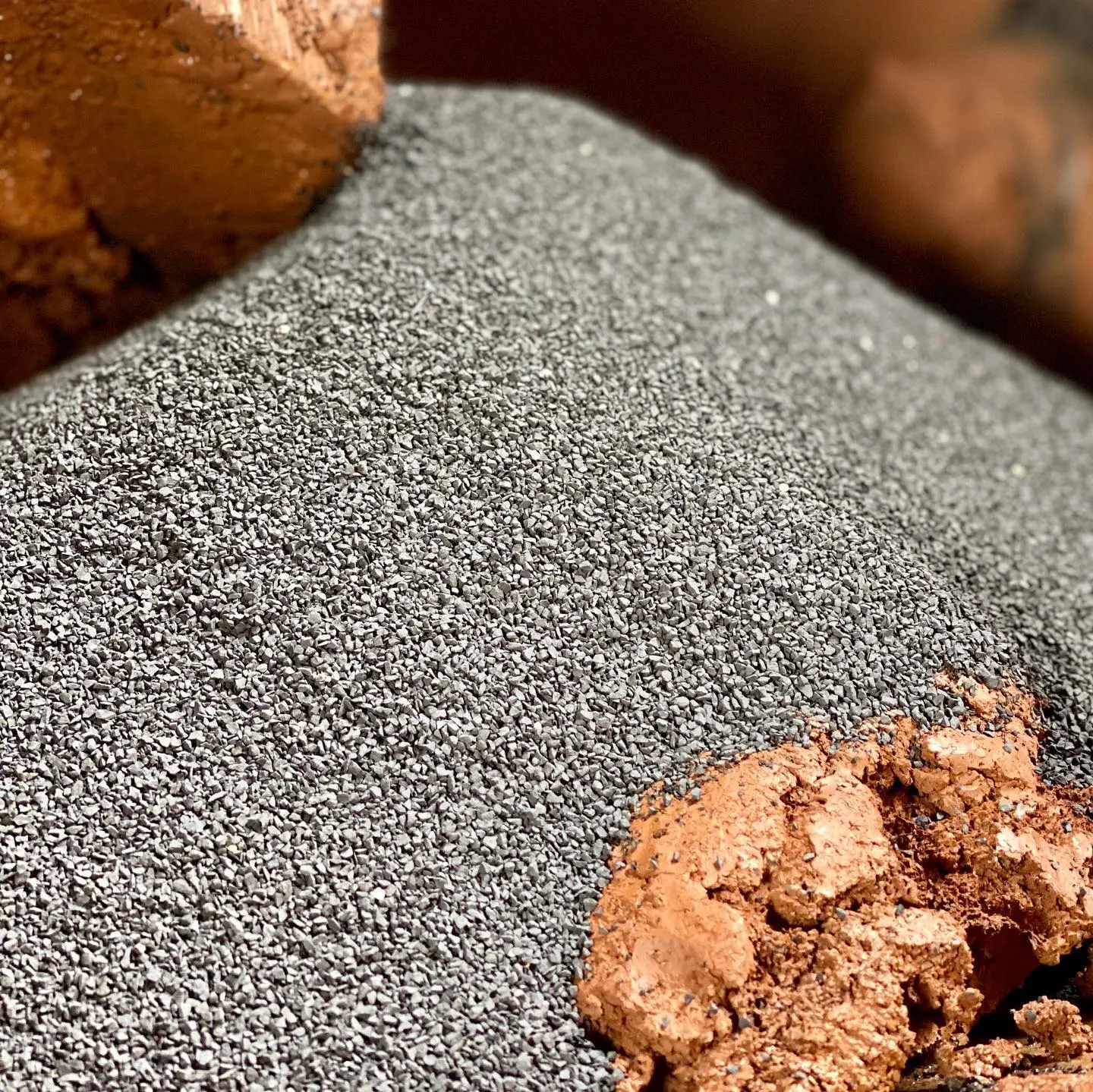
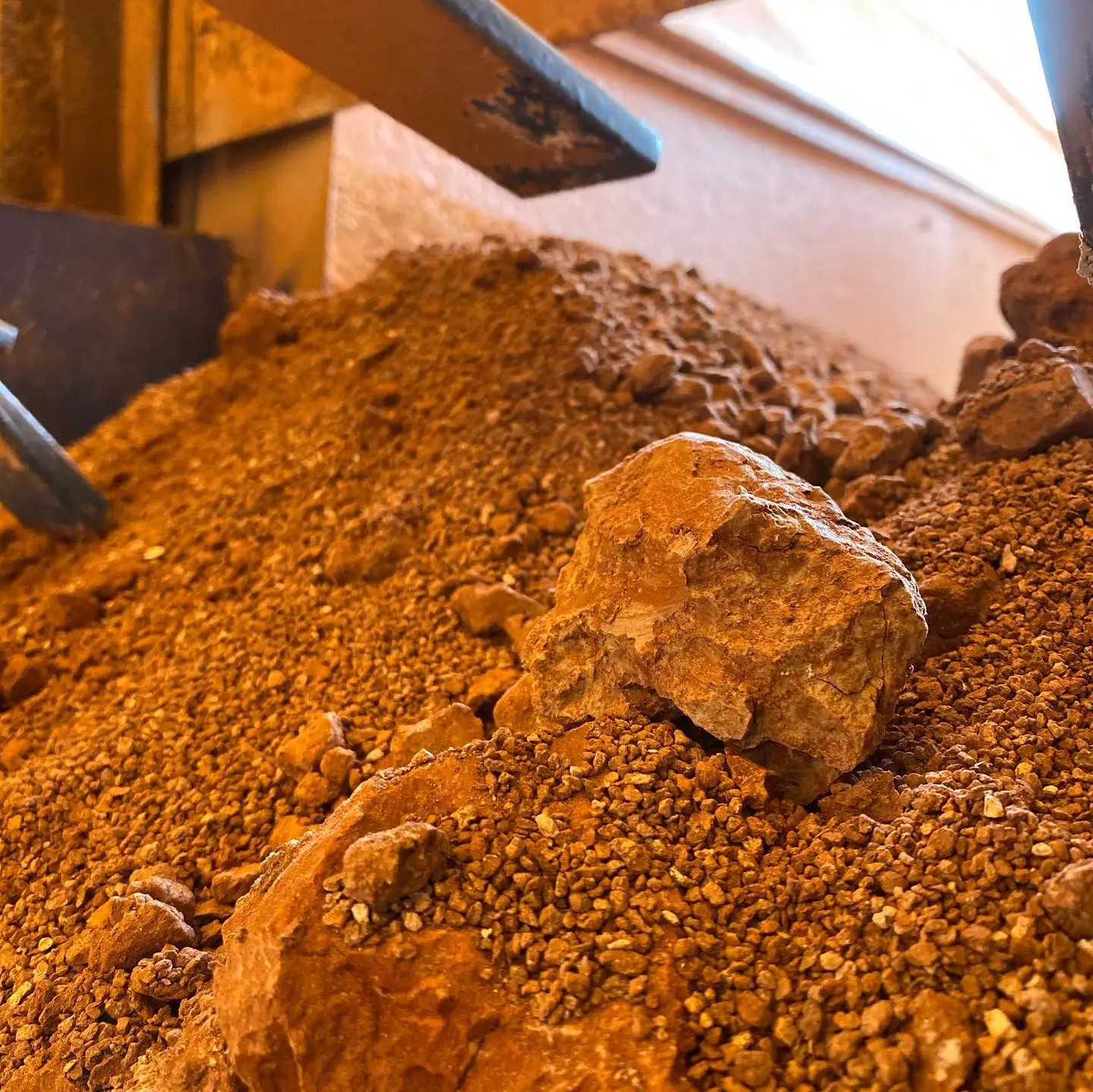
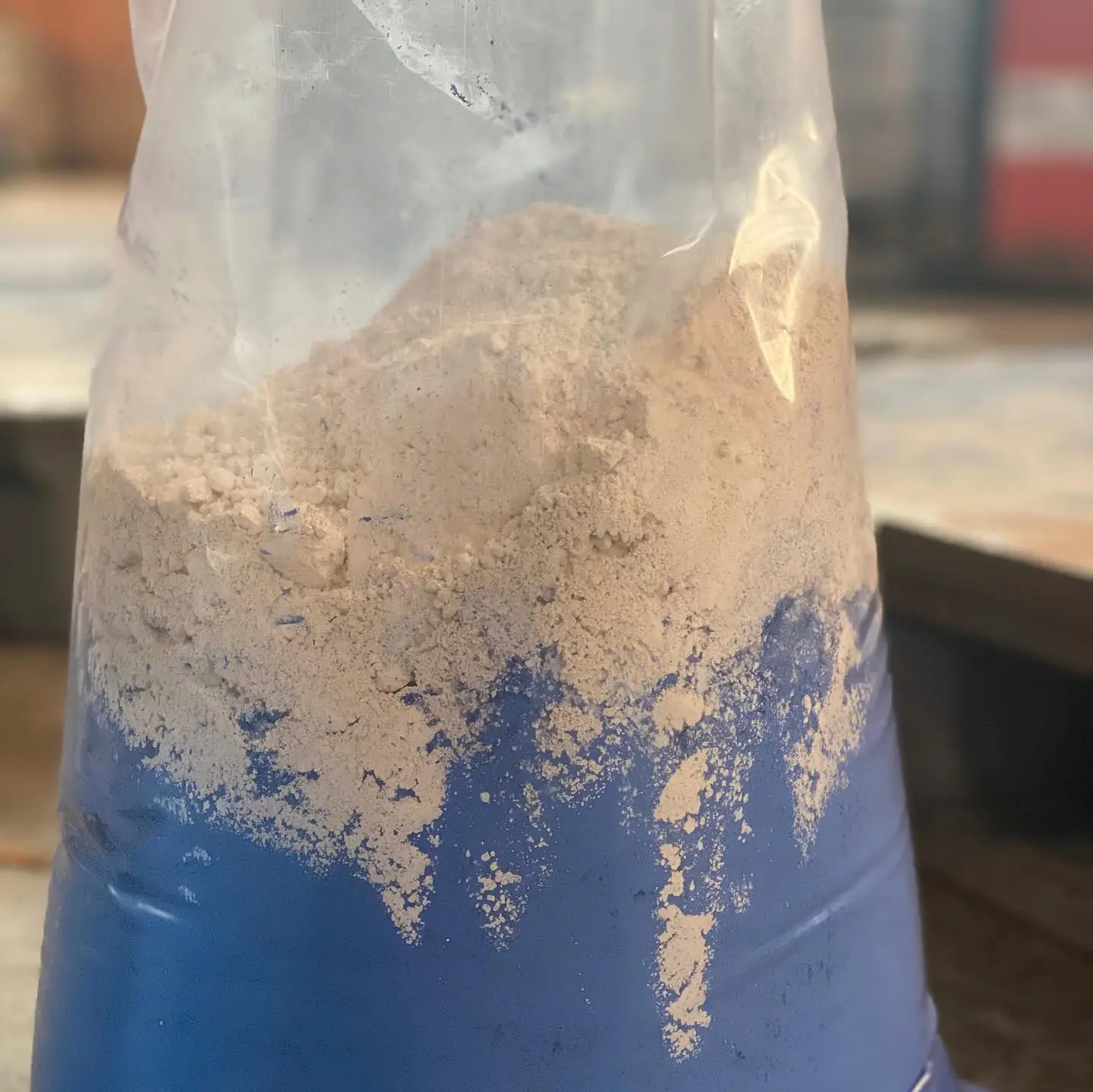
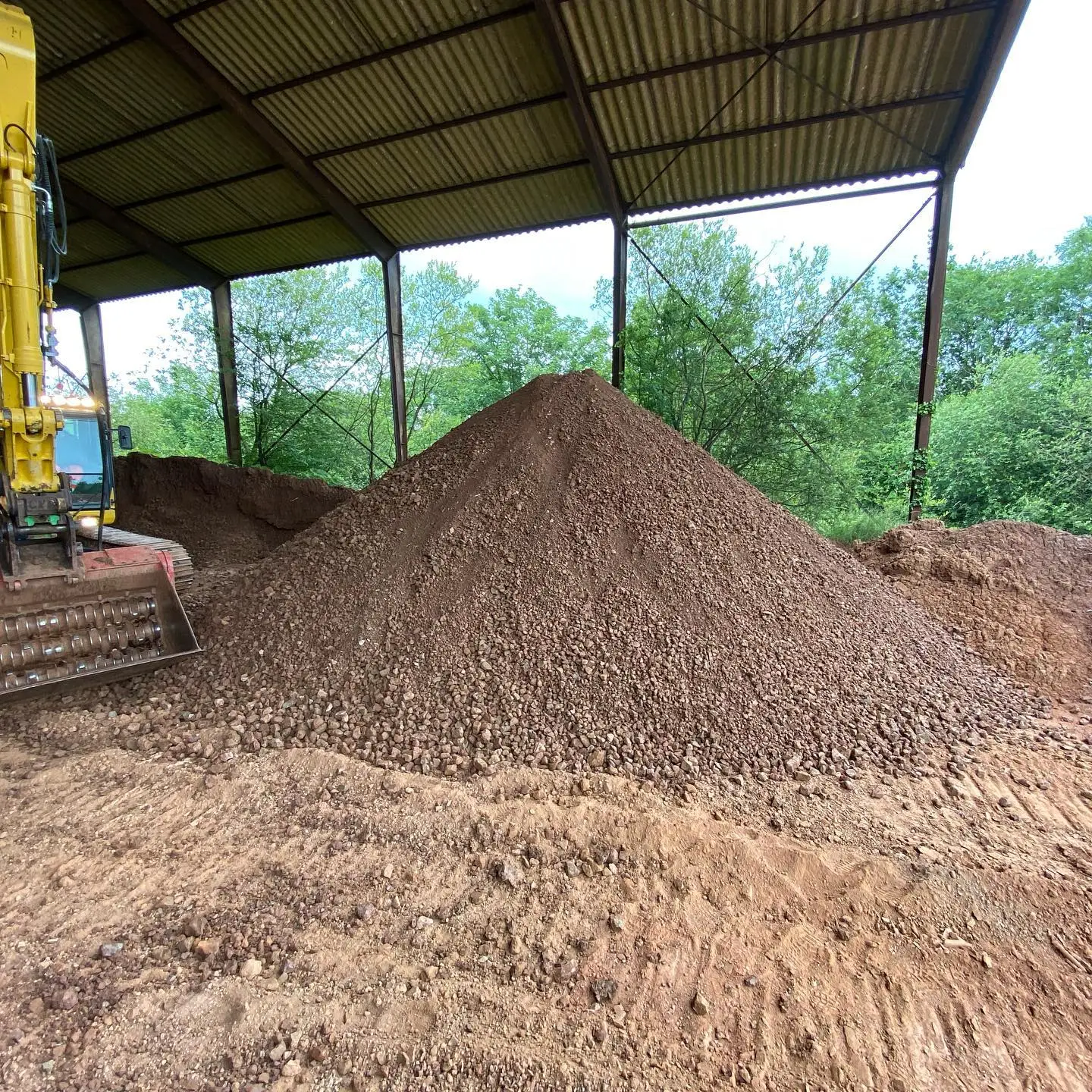
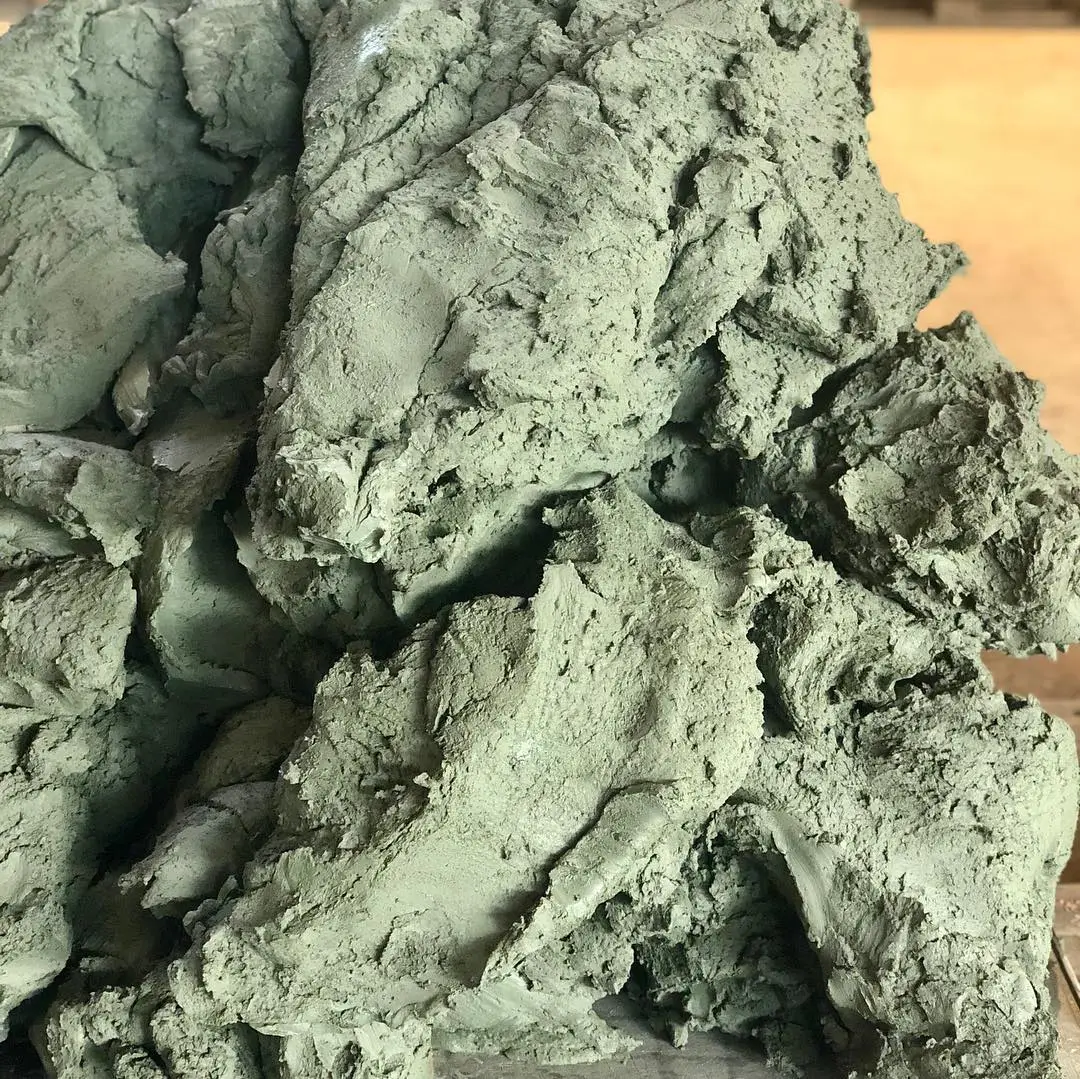
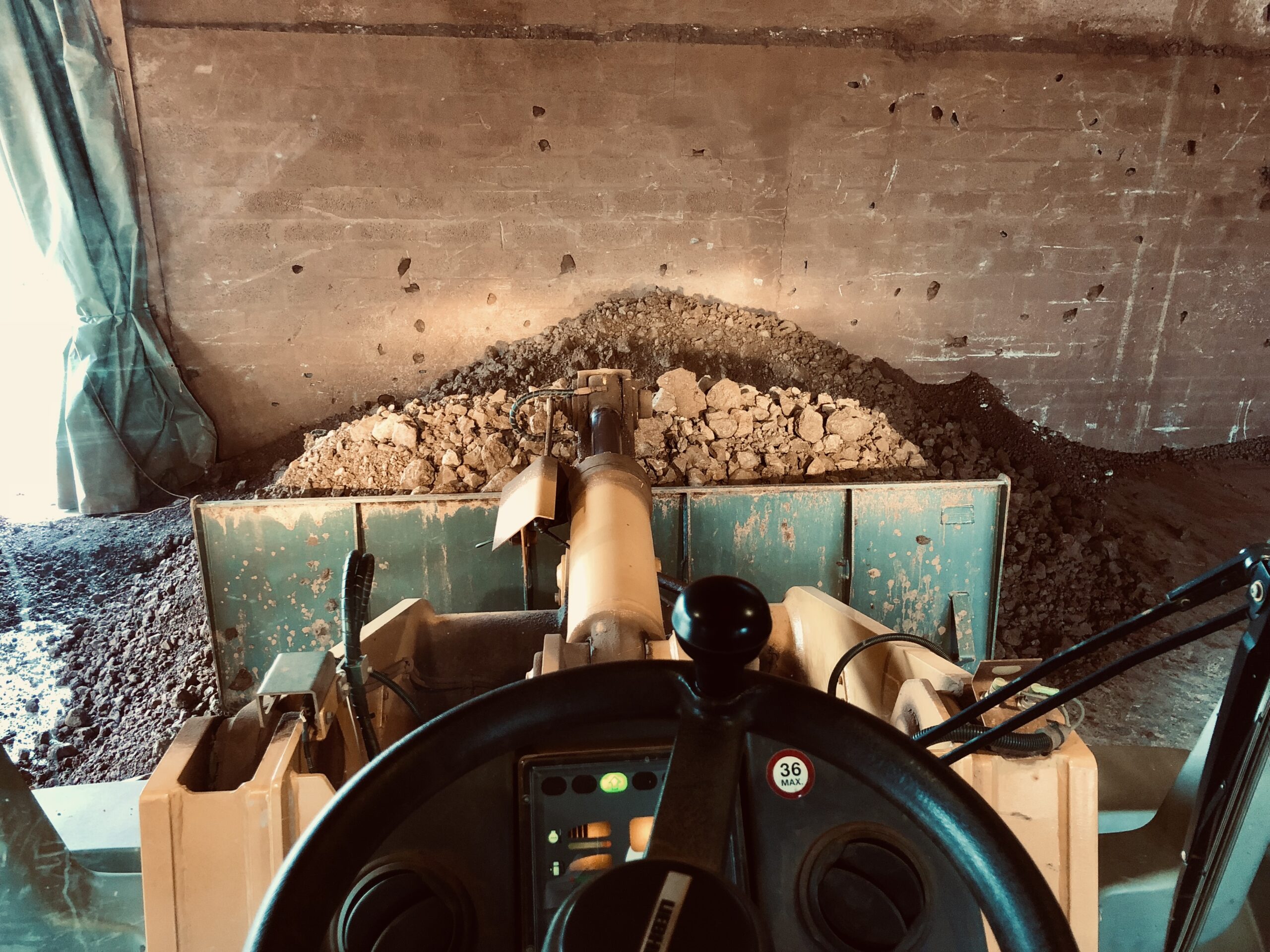
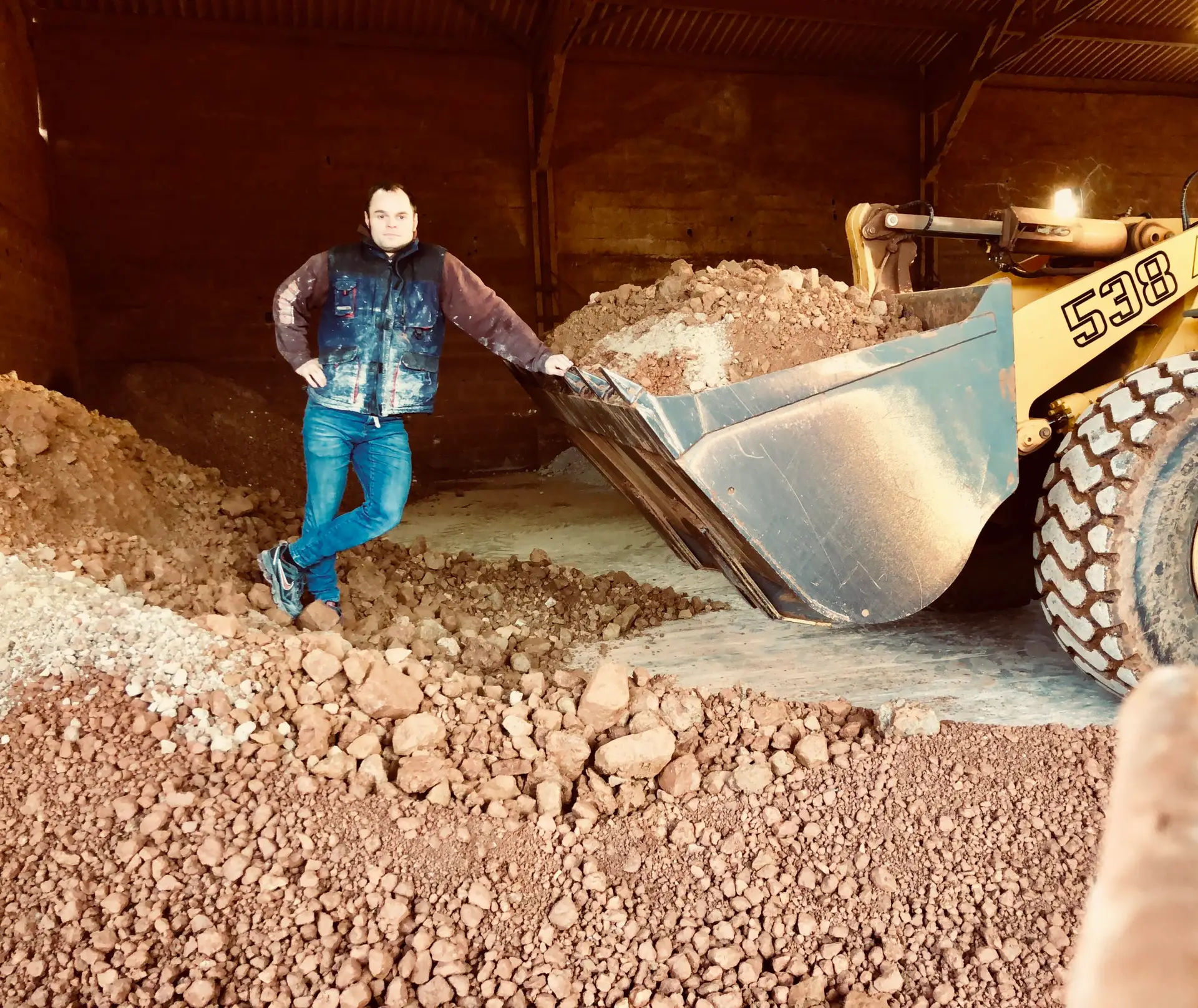
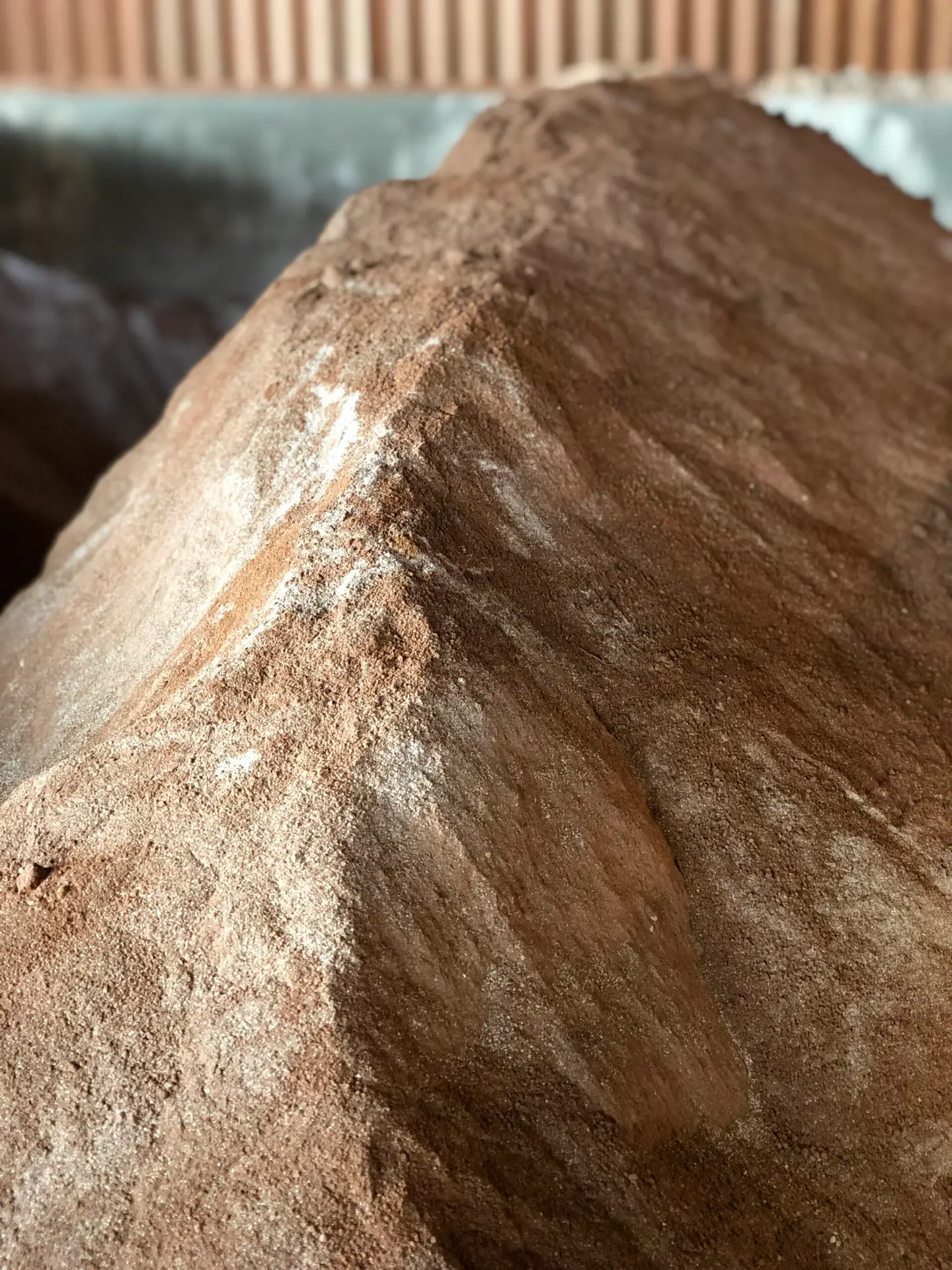
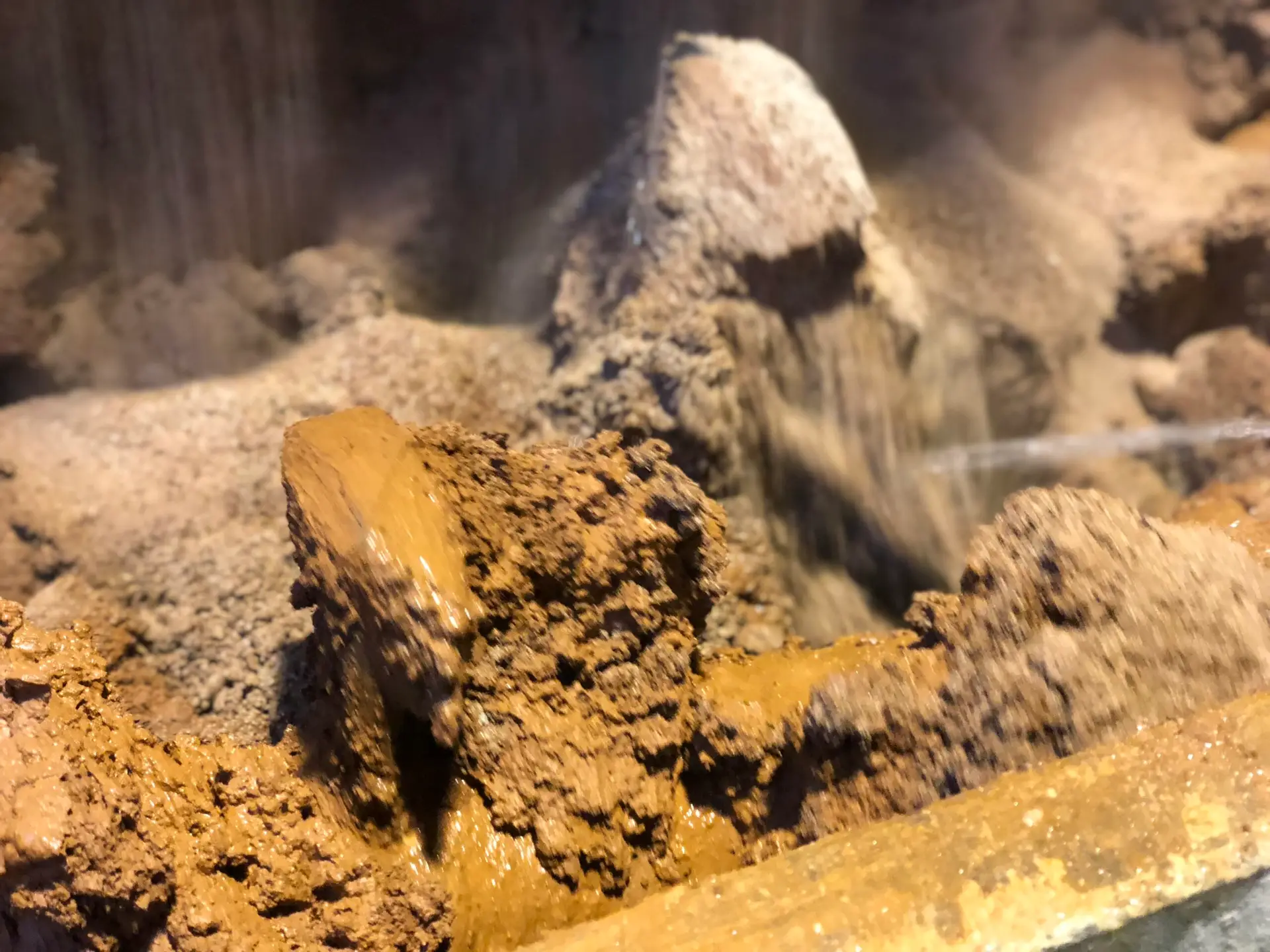
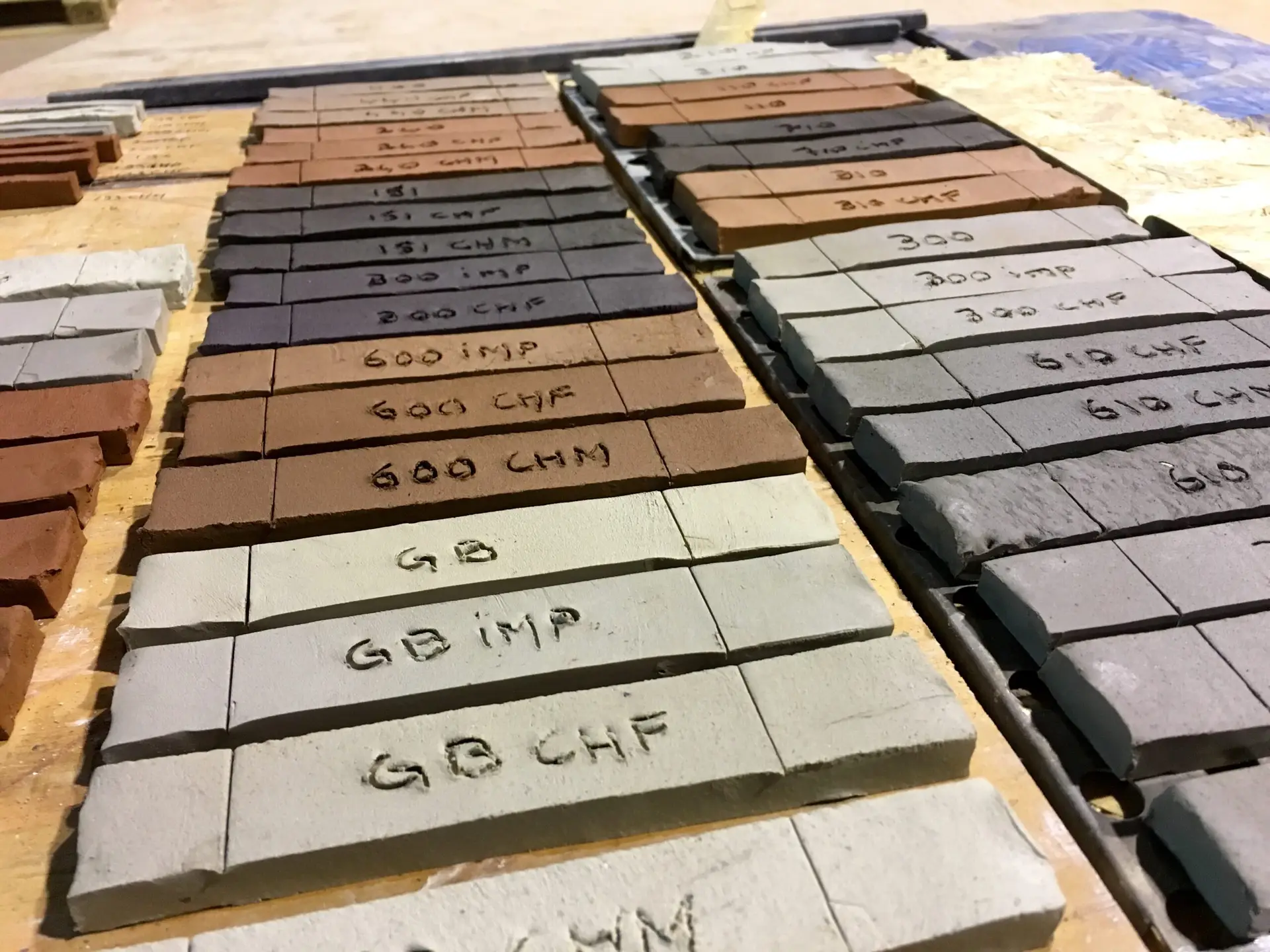
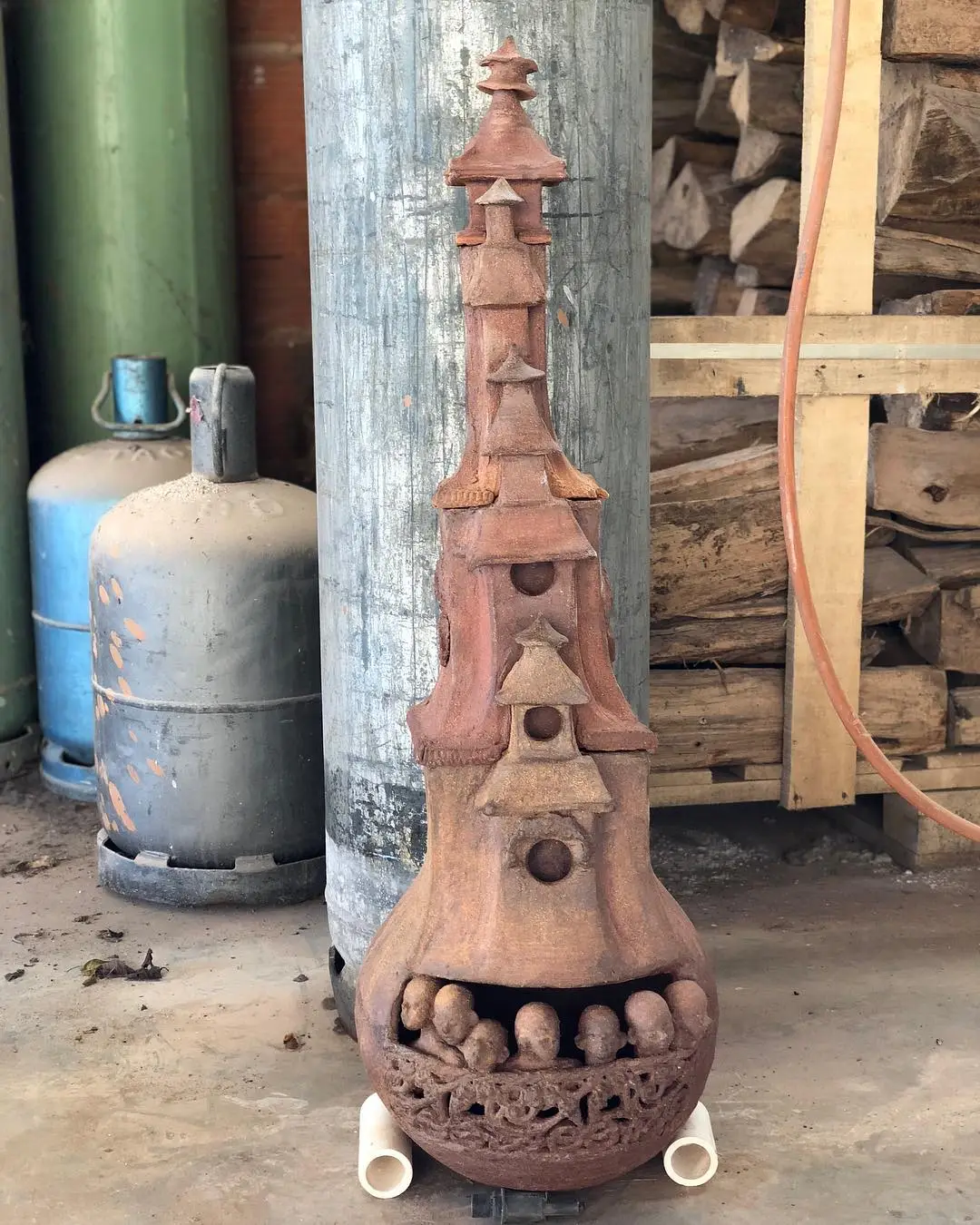
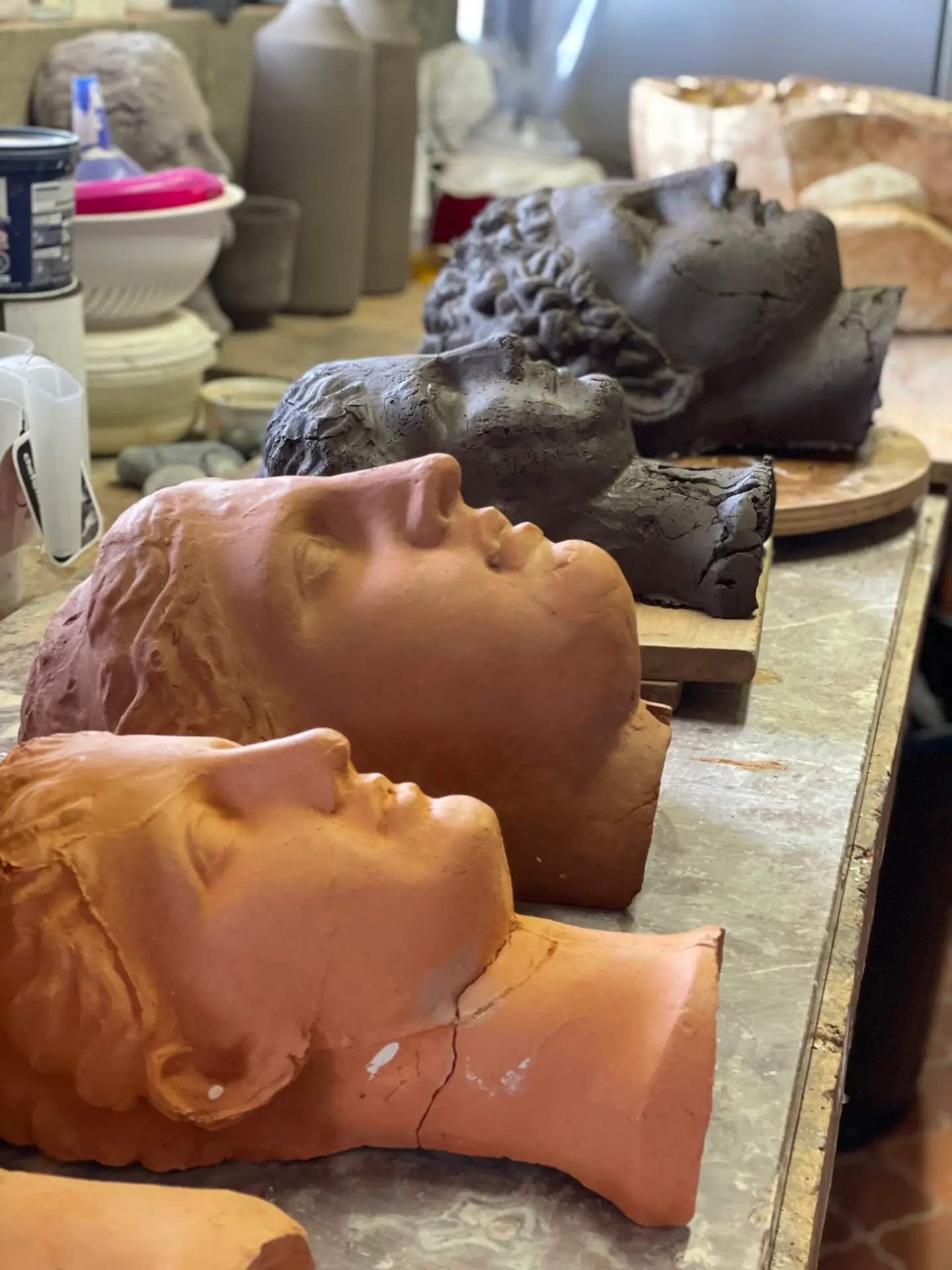
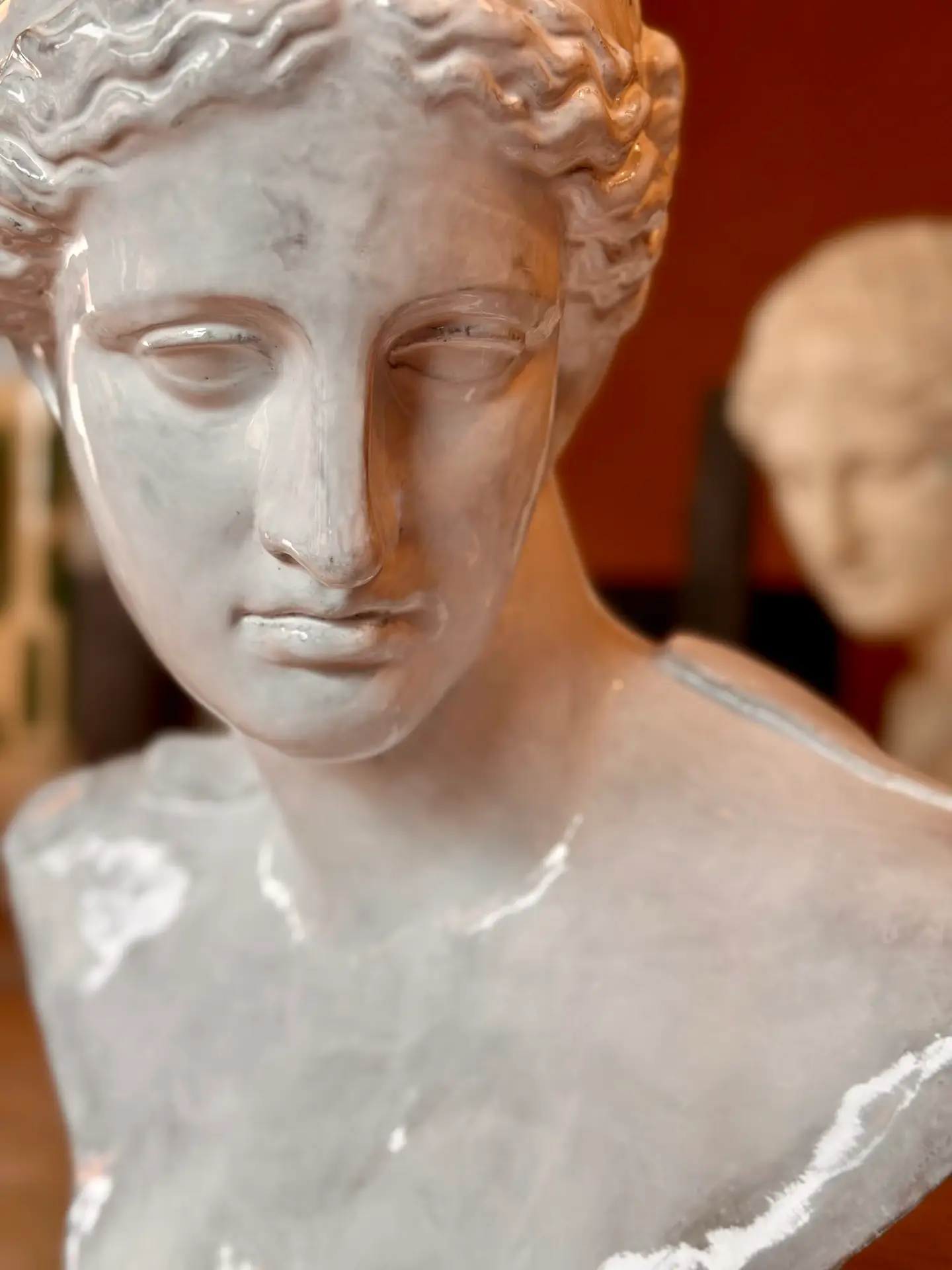
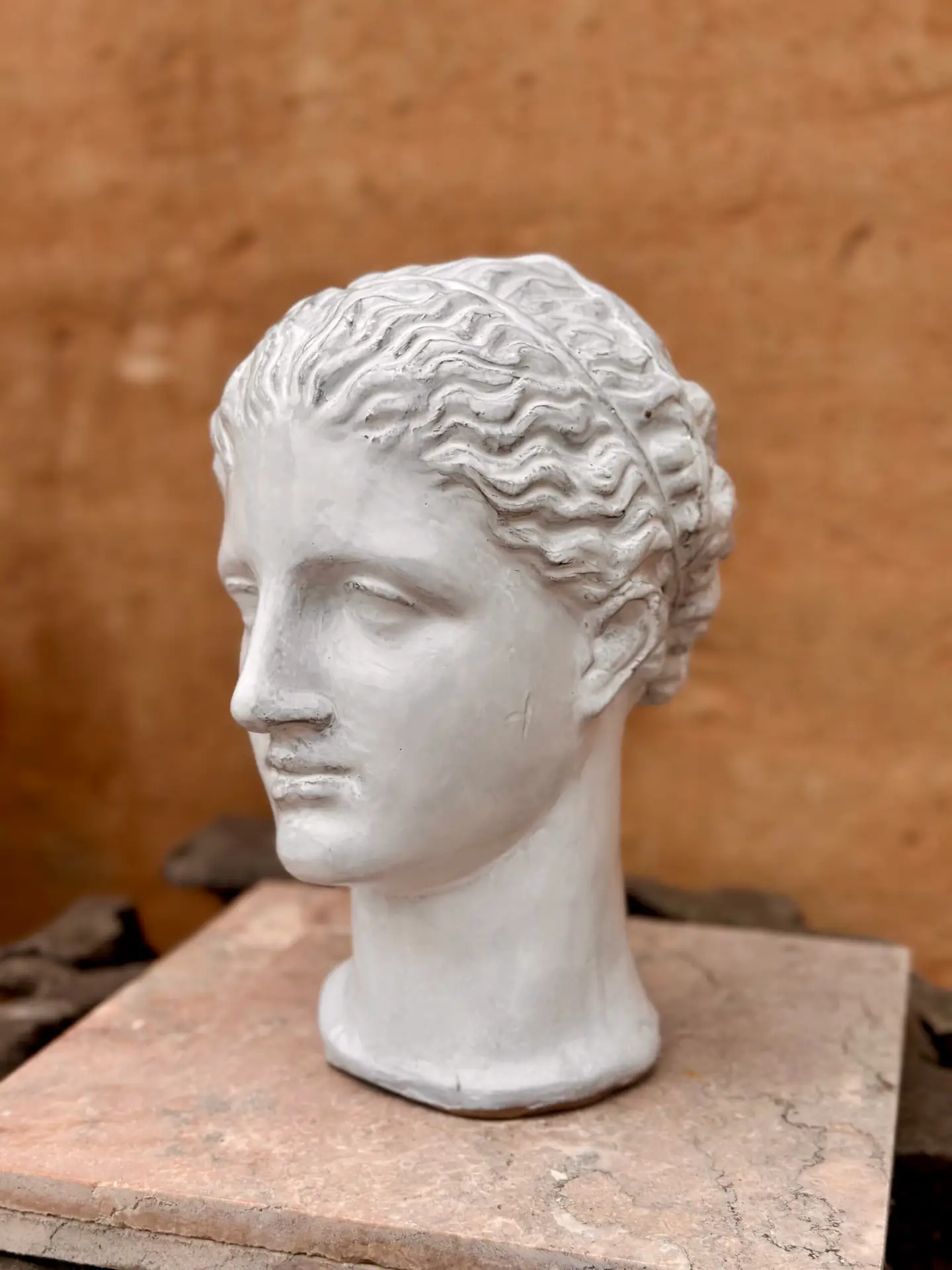
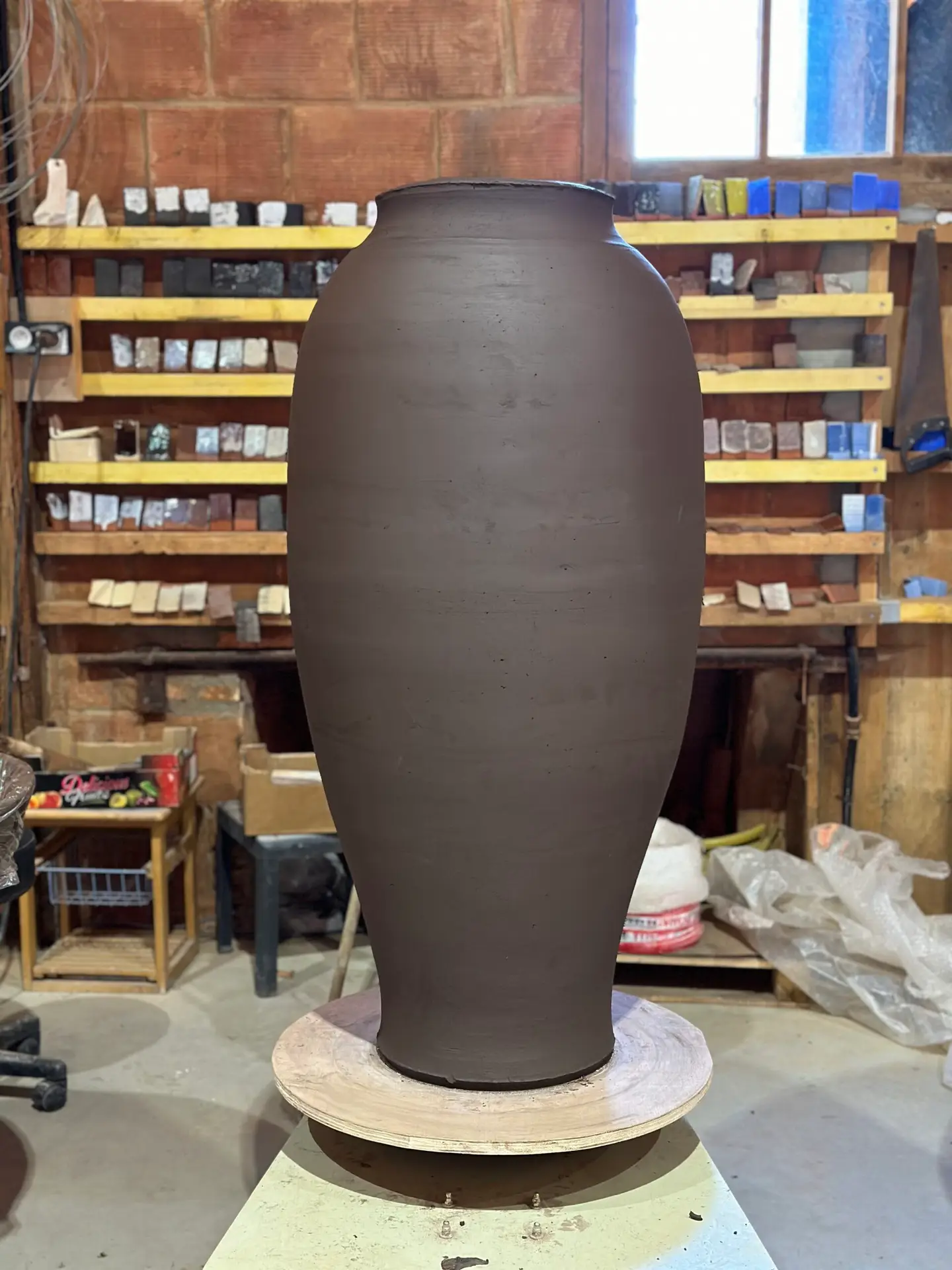
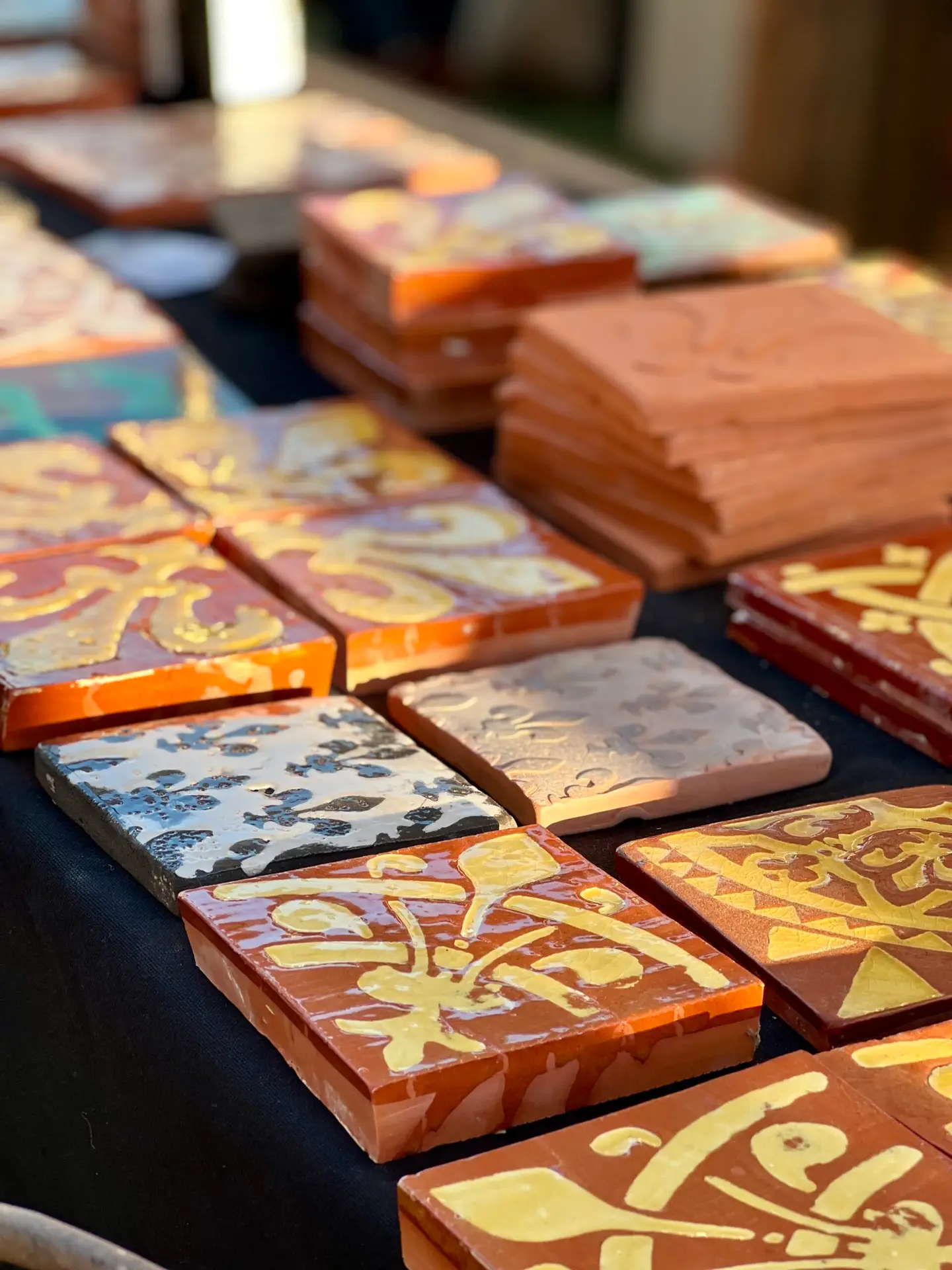
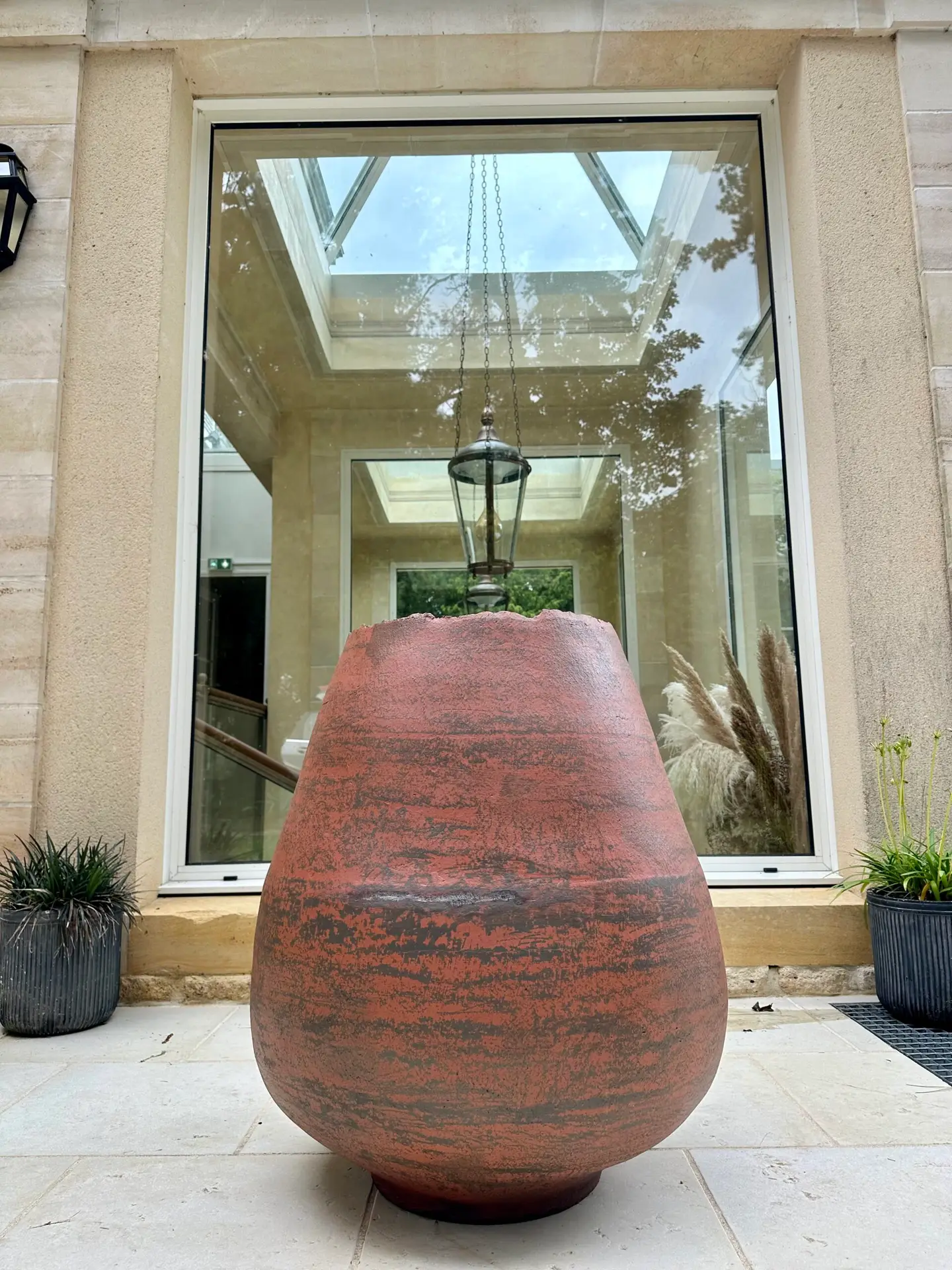
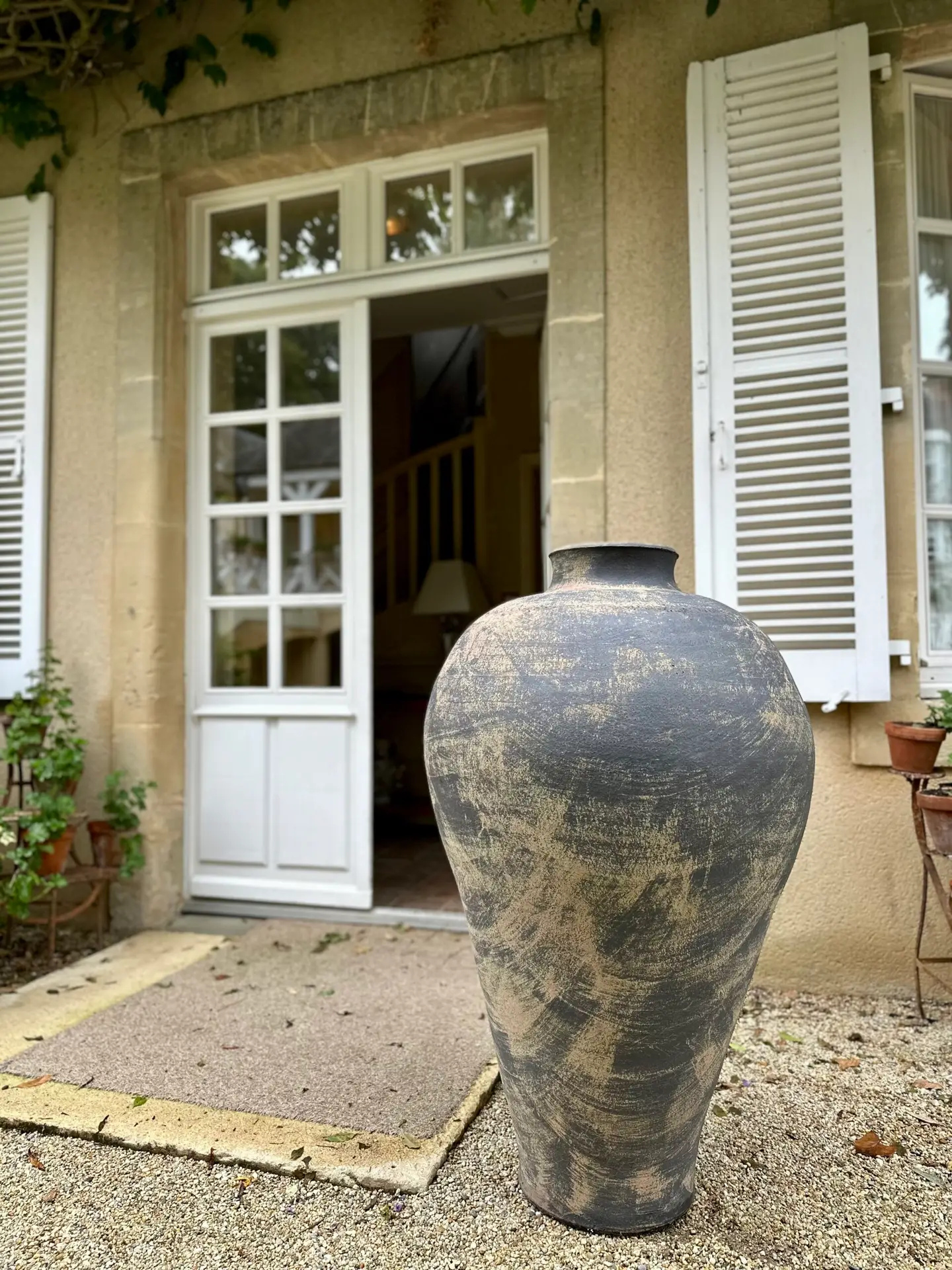
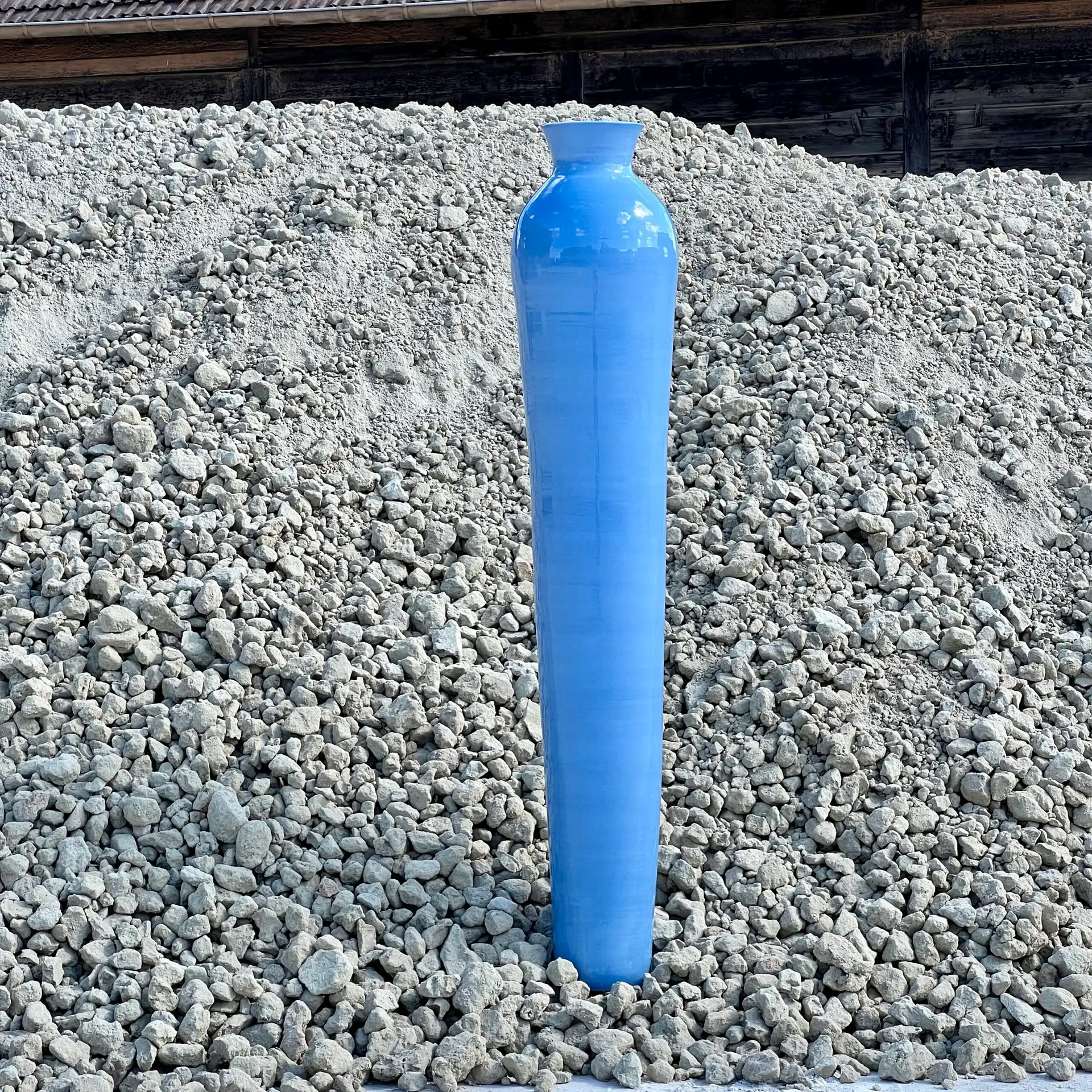
Raw clay, like a blank canvas, holds the secrets of millennia of geological history. It is the result of complex processes, shaped by time, the elements and geological forces. Its smooth, malleable texture invites exploration, revealing a richness often hidden from the untrained eye.
02
Fabrication
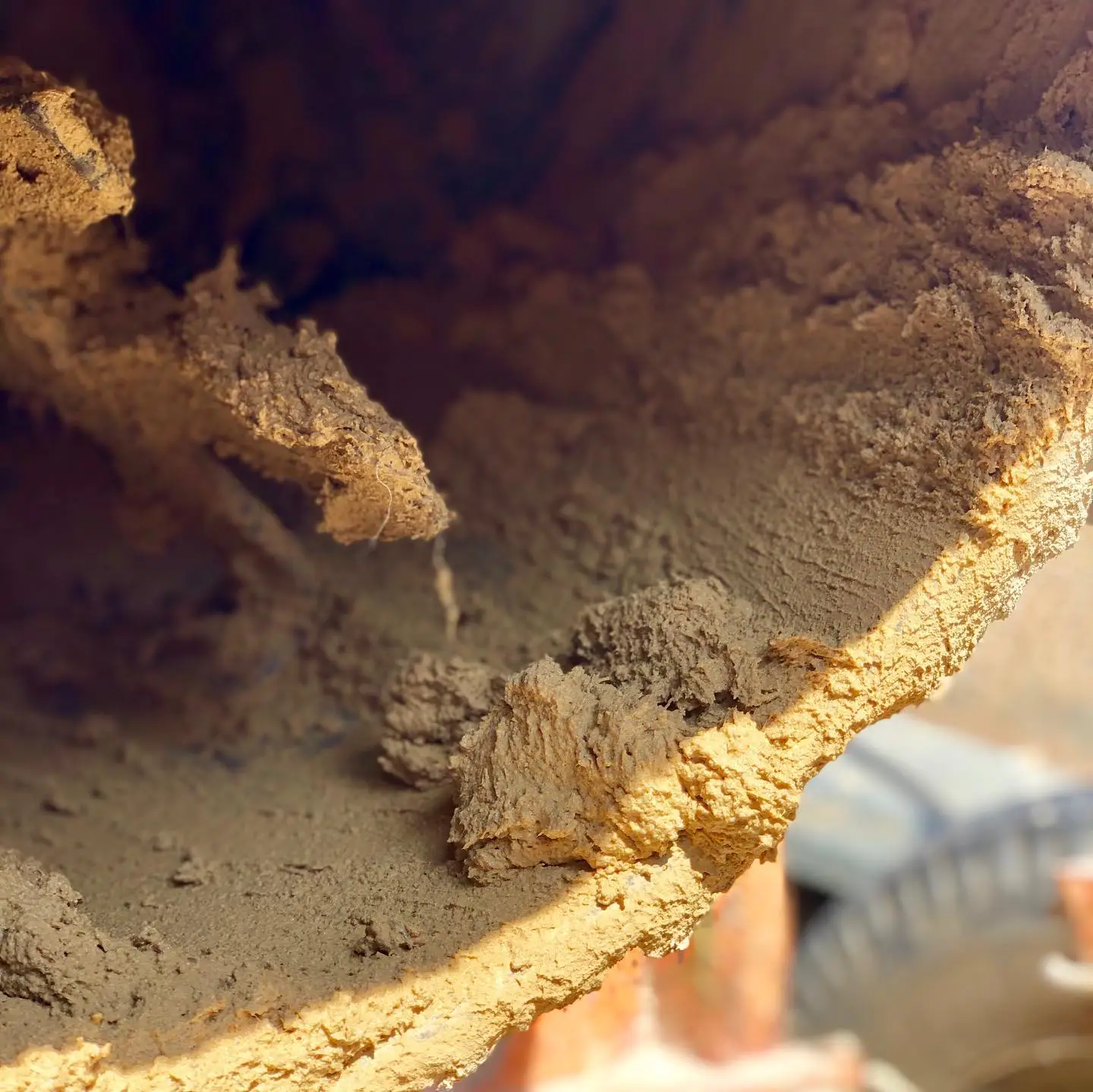
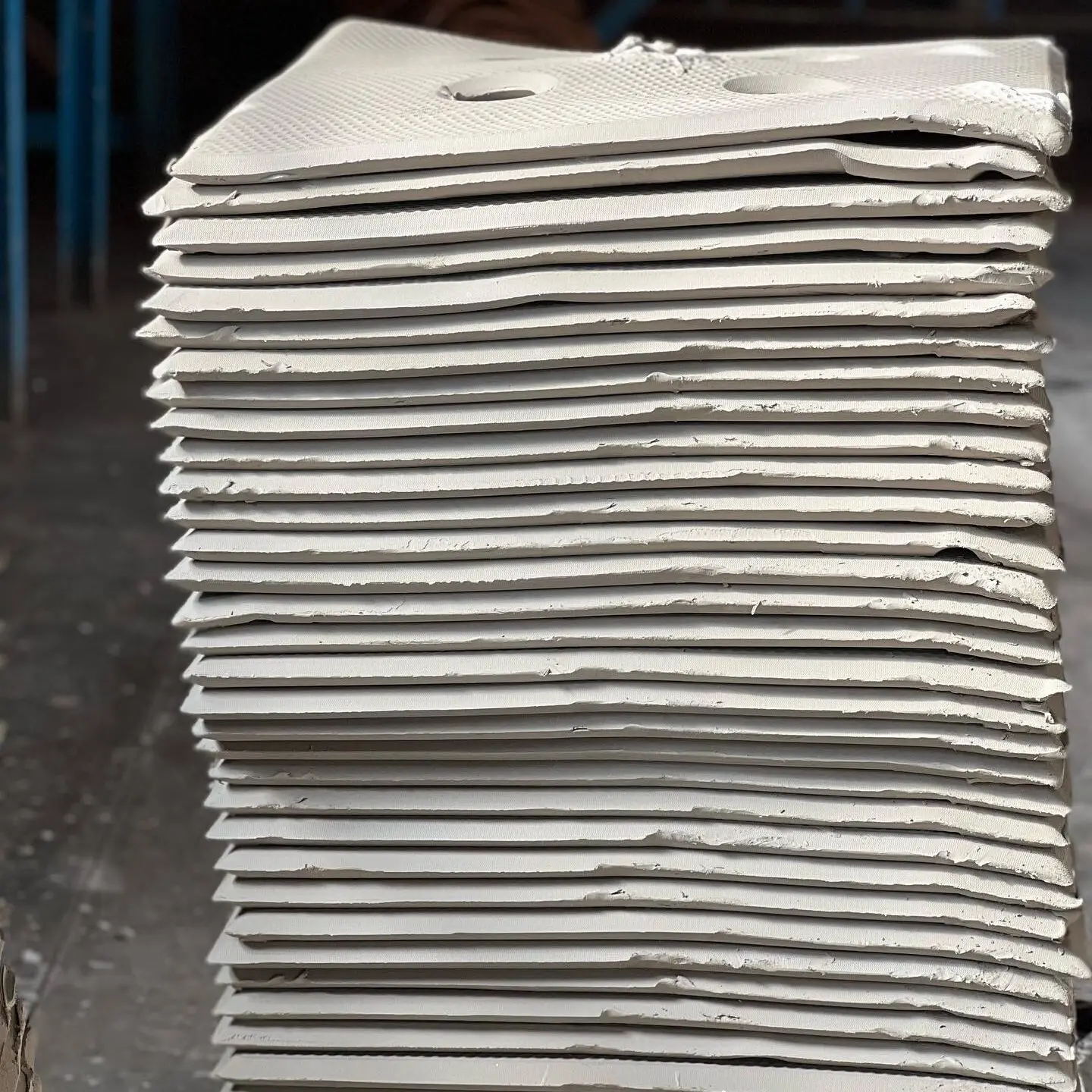
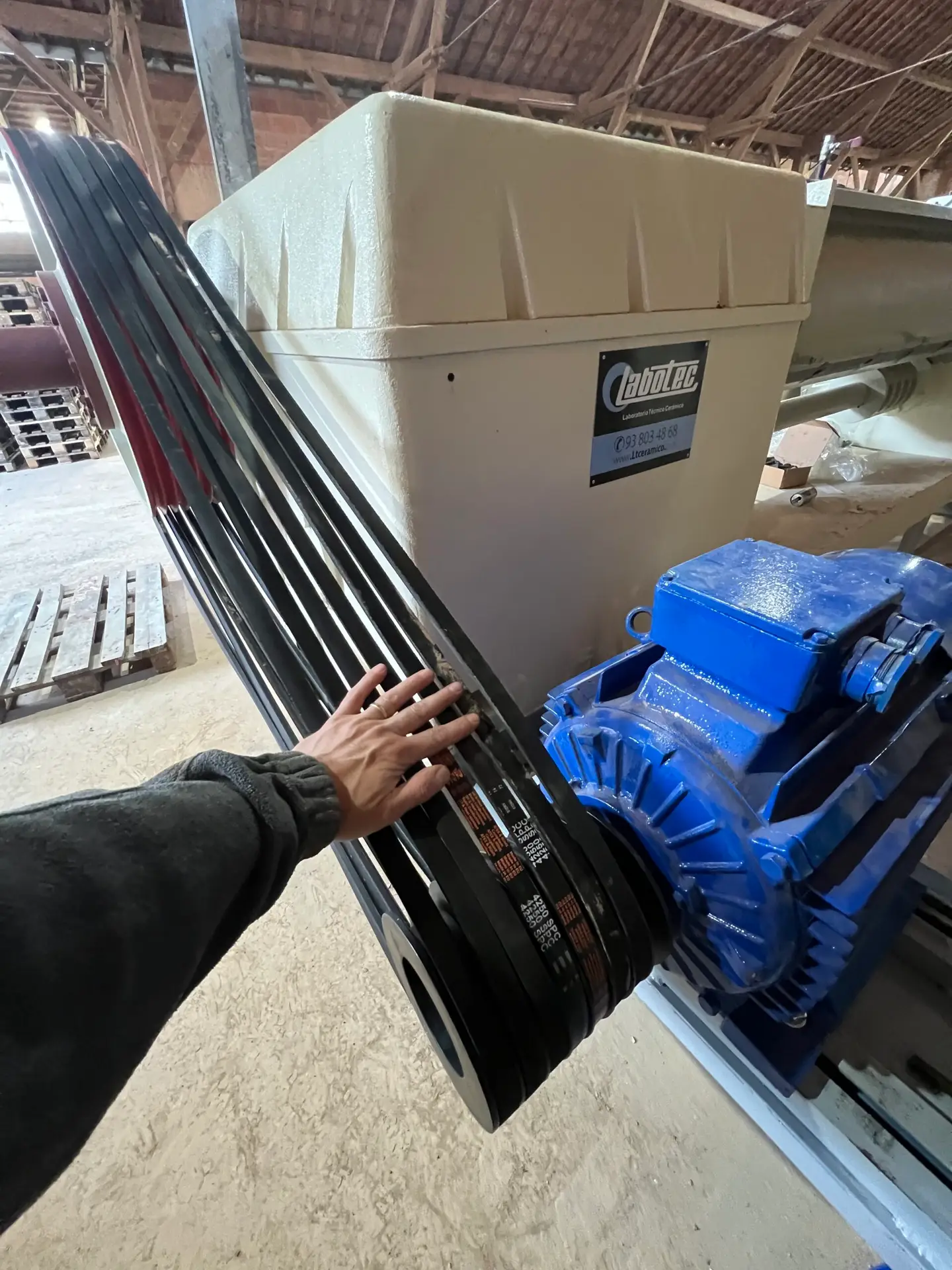
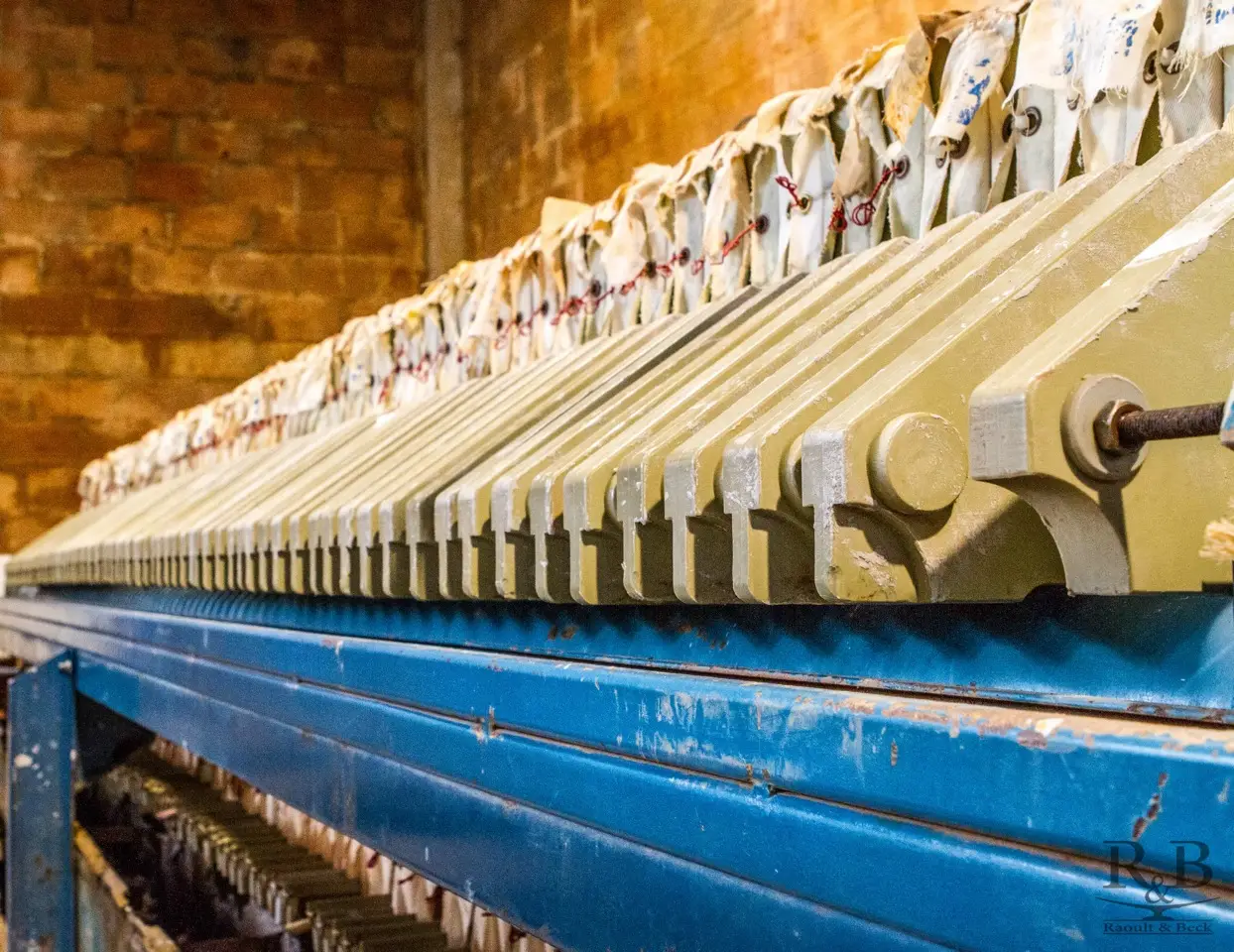
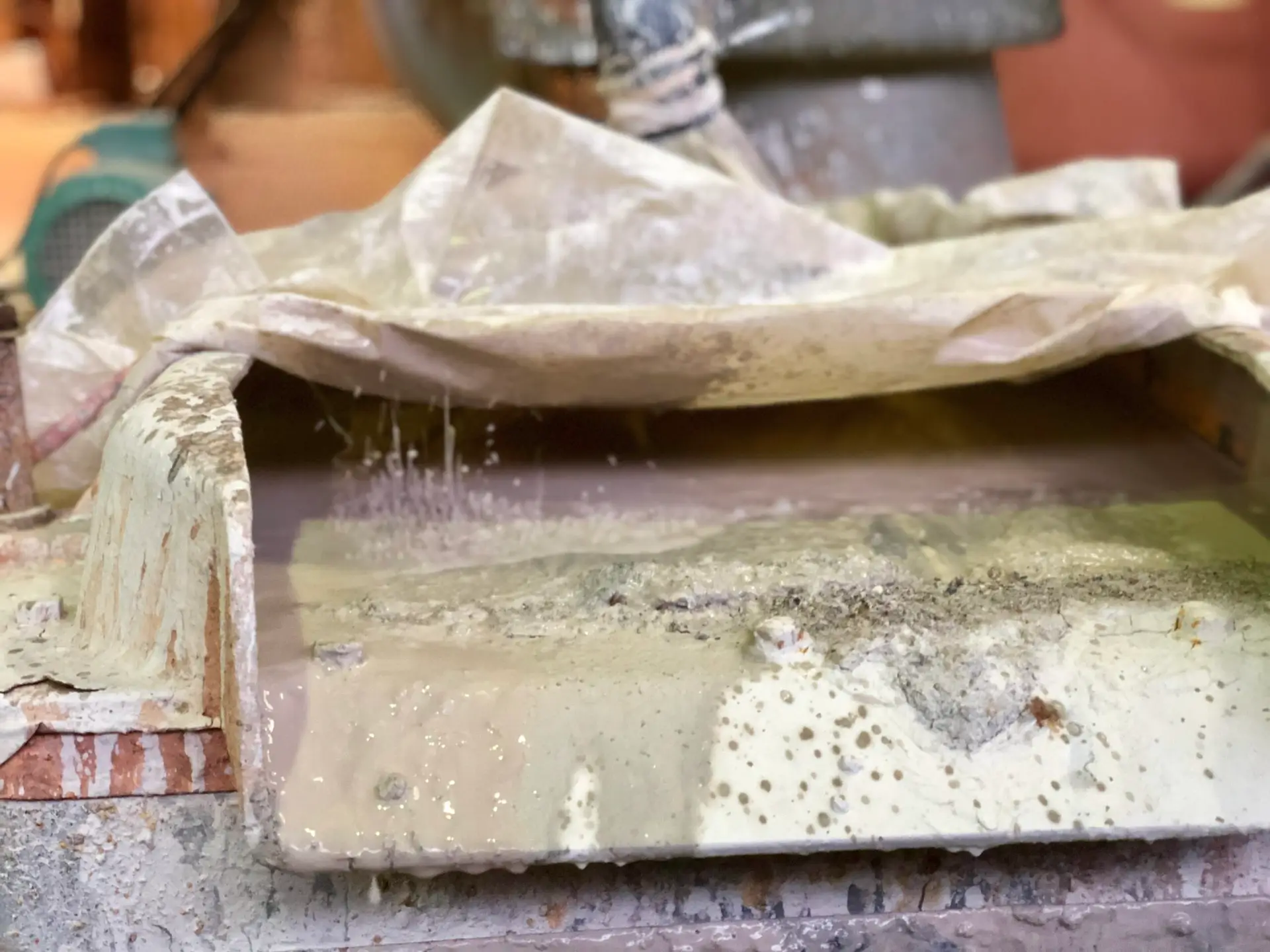
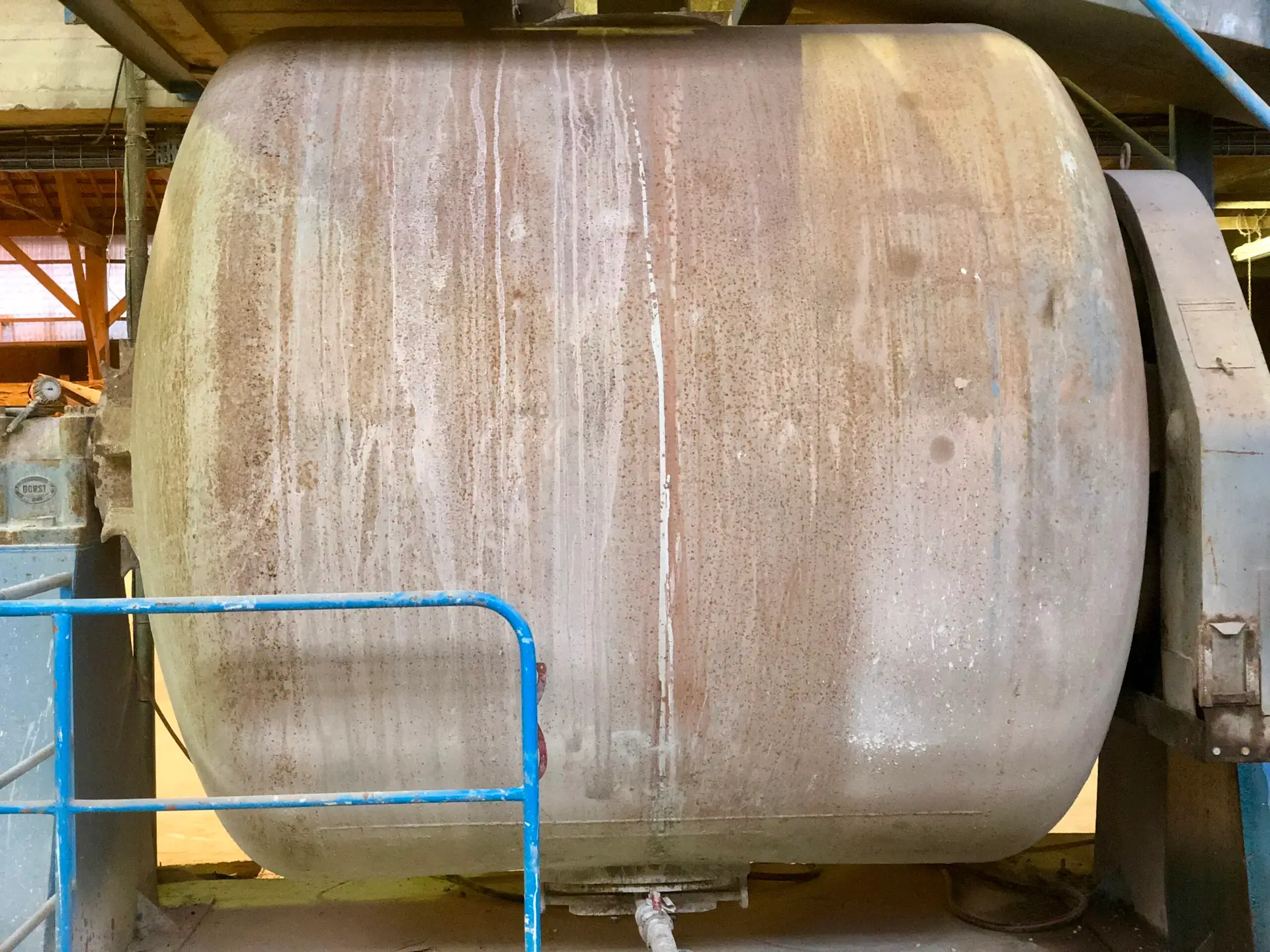
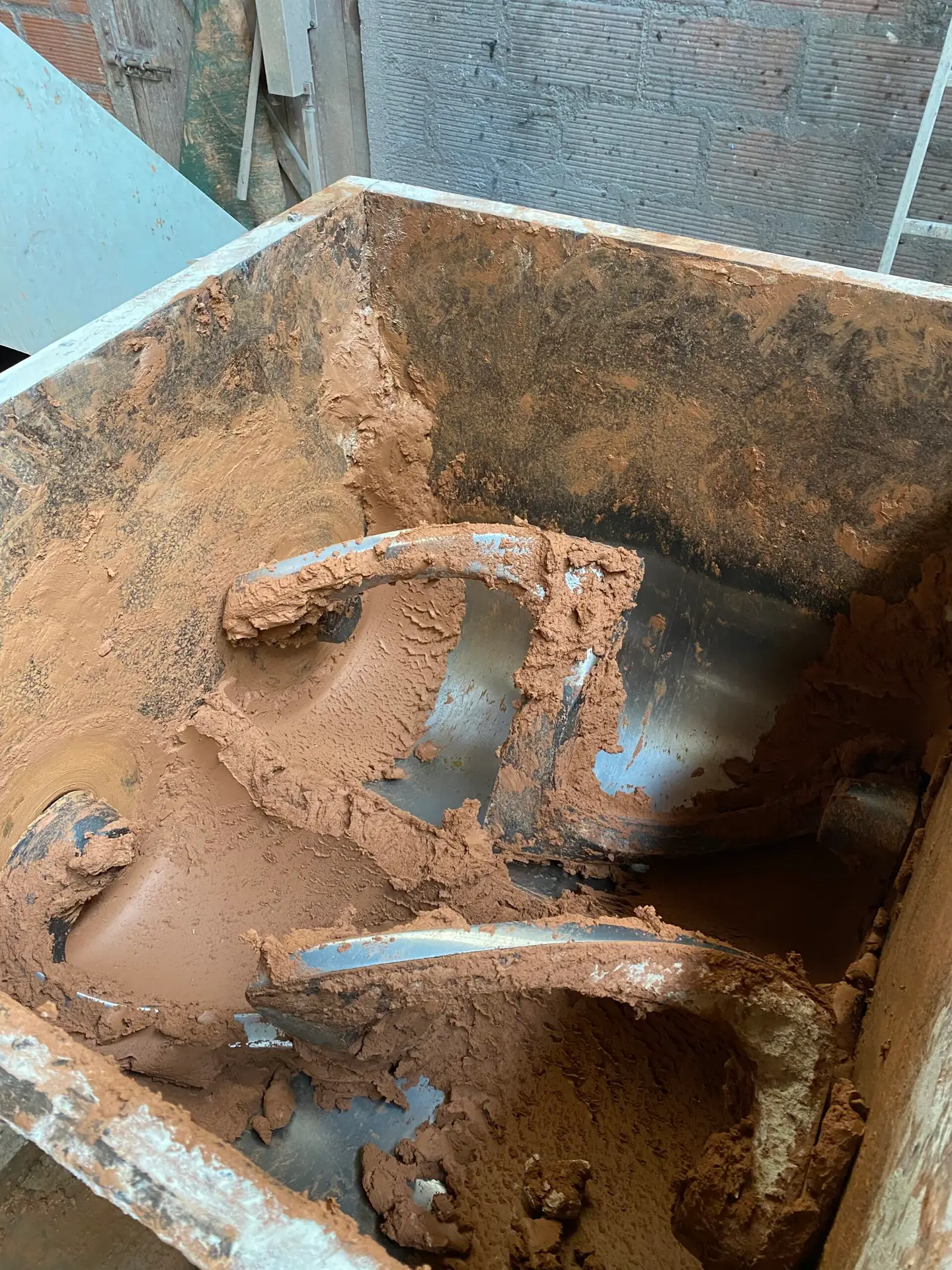
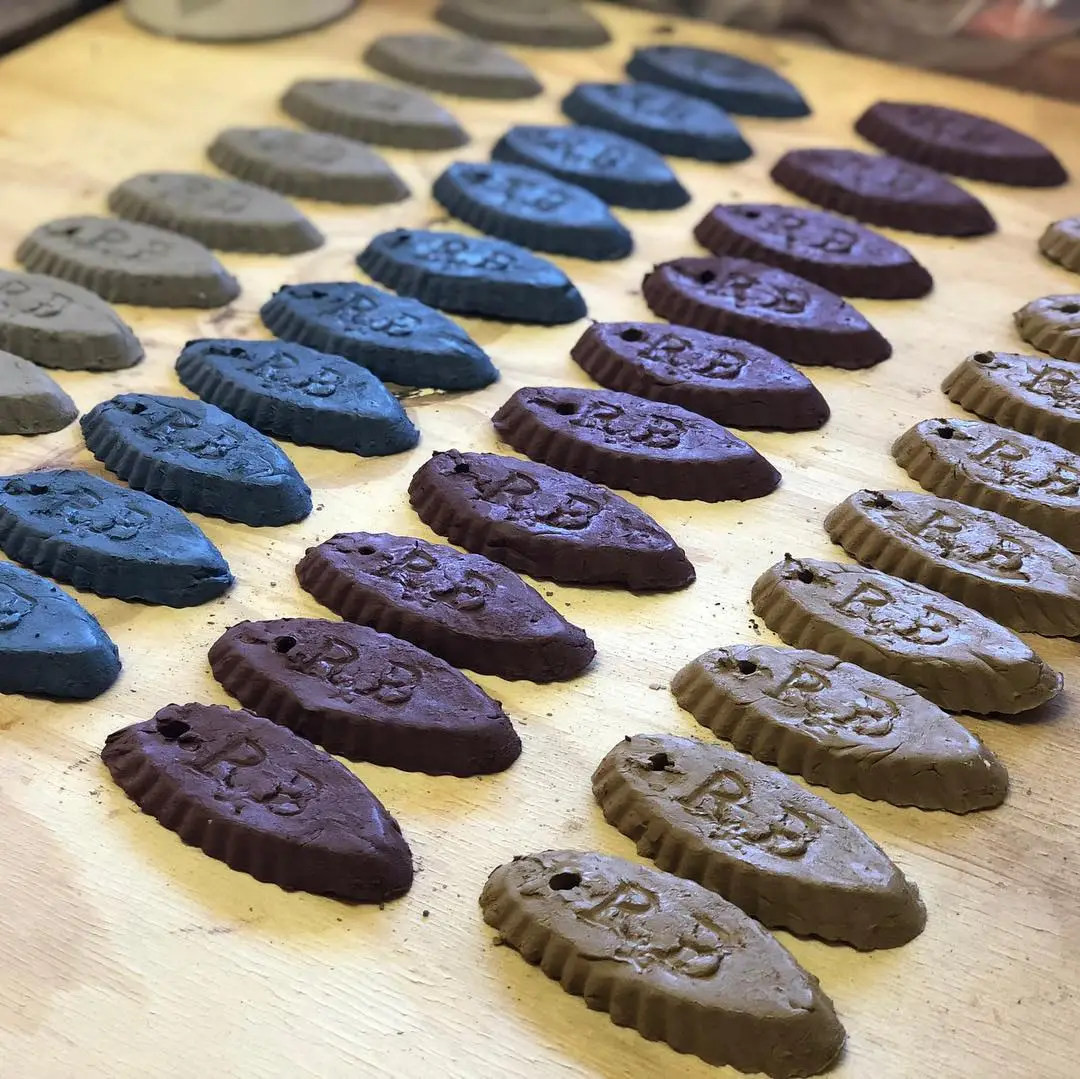
Producing clay bodies is a simple yet crucial process in the creation of pottery and sculpture. First, raw clay is extracted, often from quarries or natural deposits. It is then prepared by removing impurities and mixing it with water to achieve an even, workable consistency.
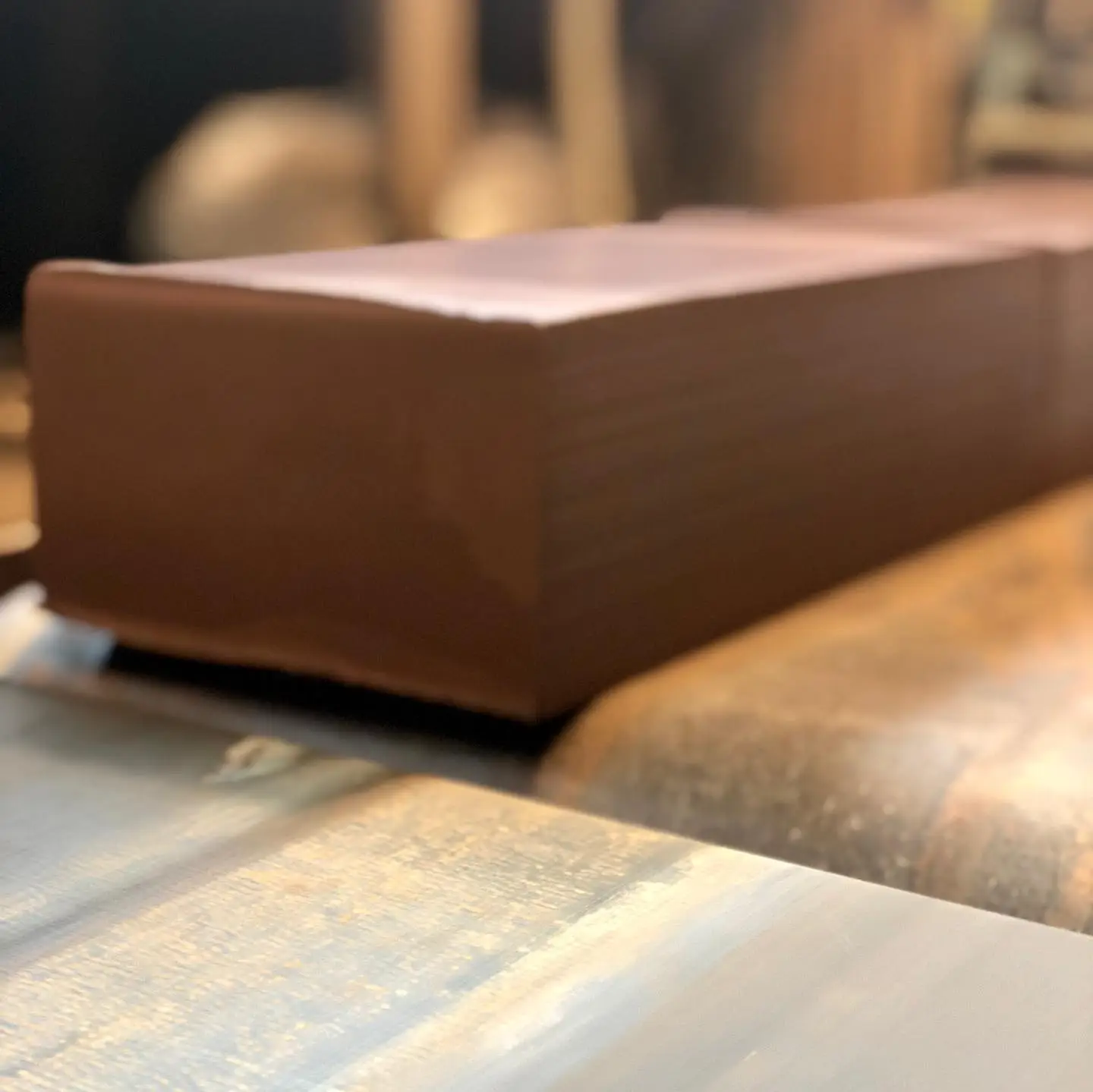
Once the clay body is ready, it is wedged and kneaded to remove air bubbles and ensure an even texture. It can then be shaped as the craftsperson or artist wishes, either by hand or using techniques such as modelling, throwing or moulding.
03
Création
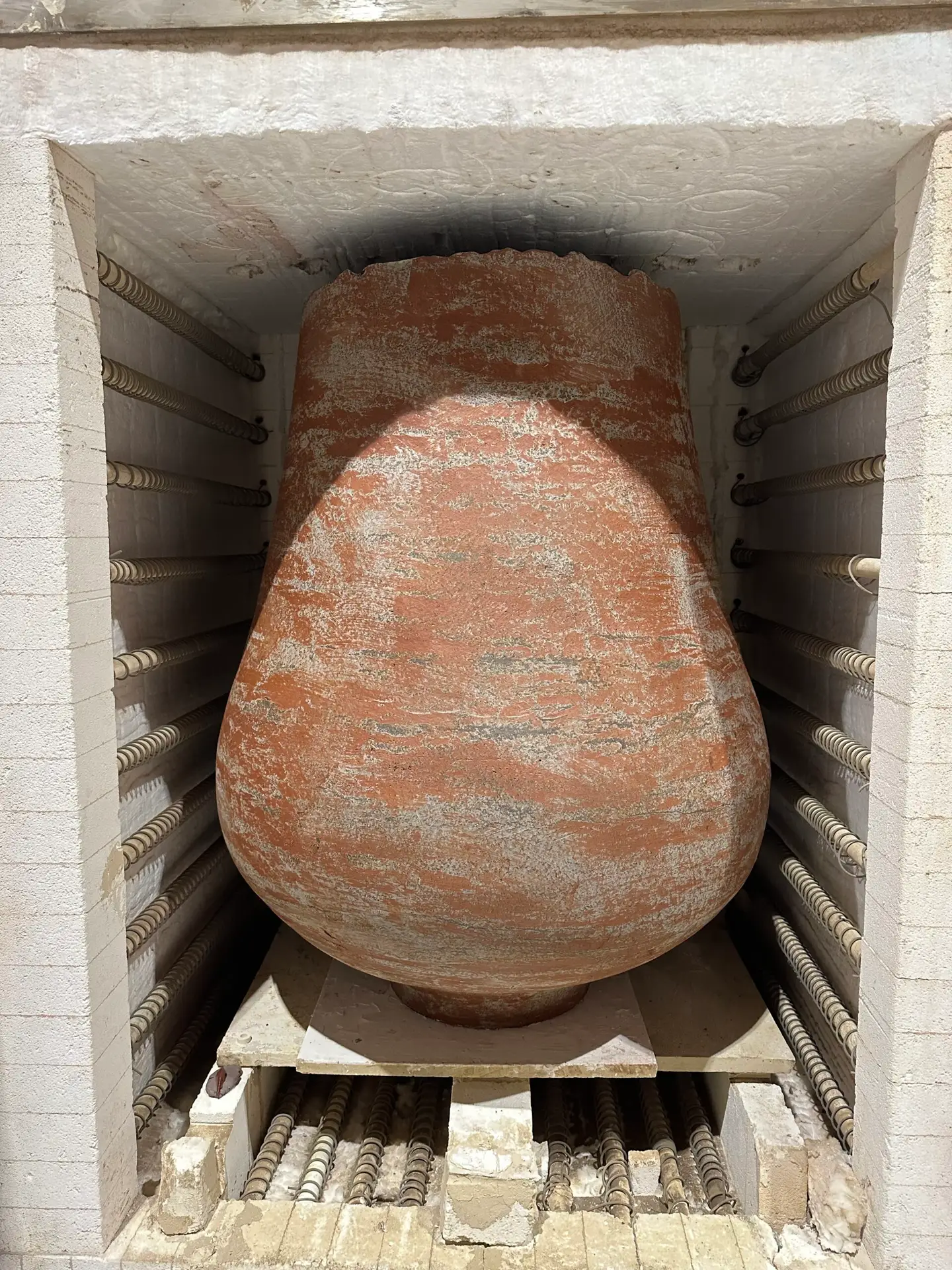
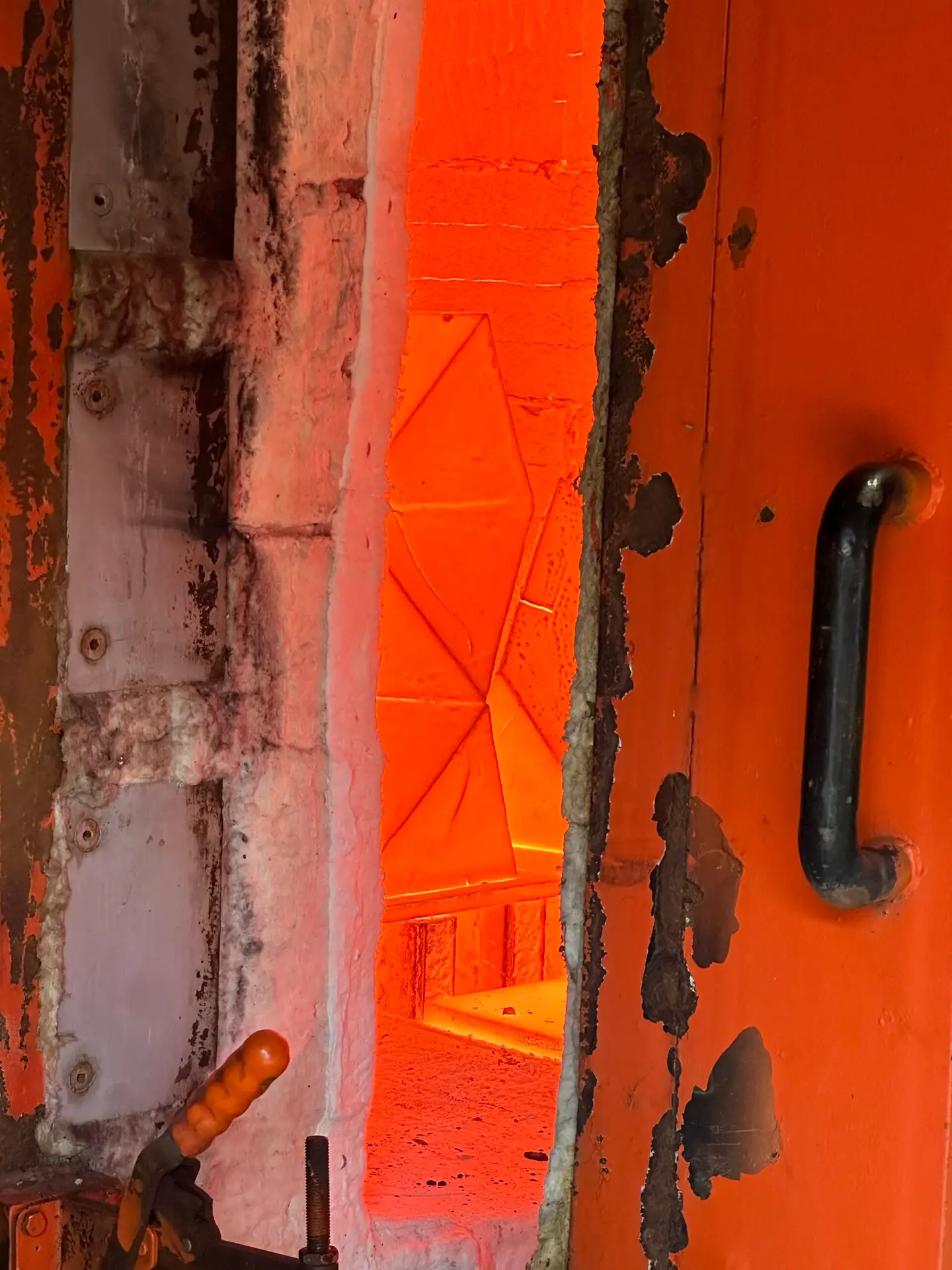
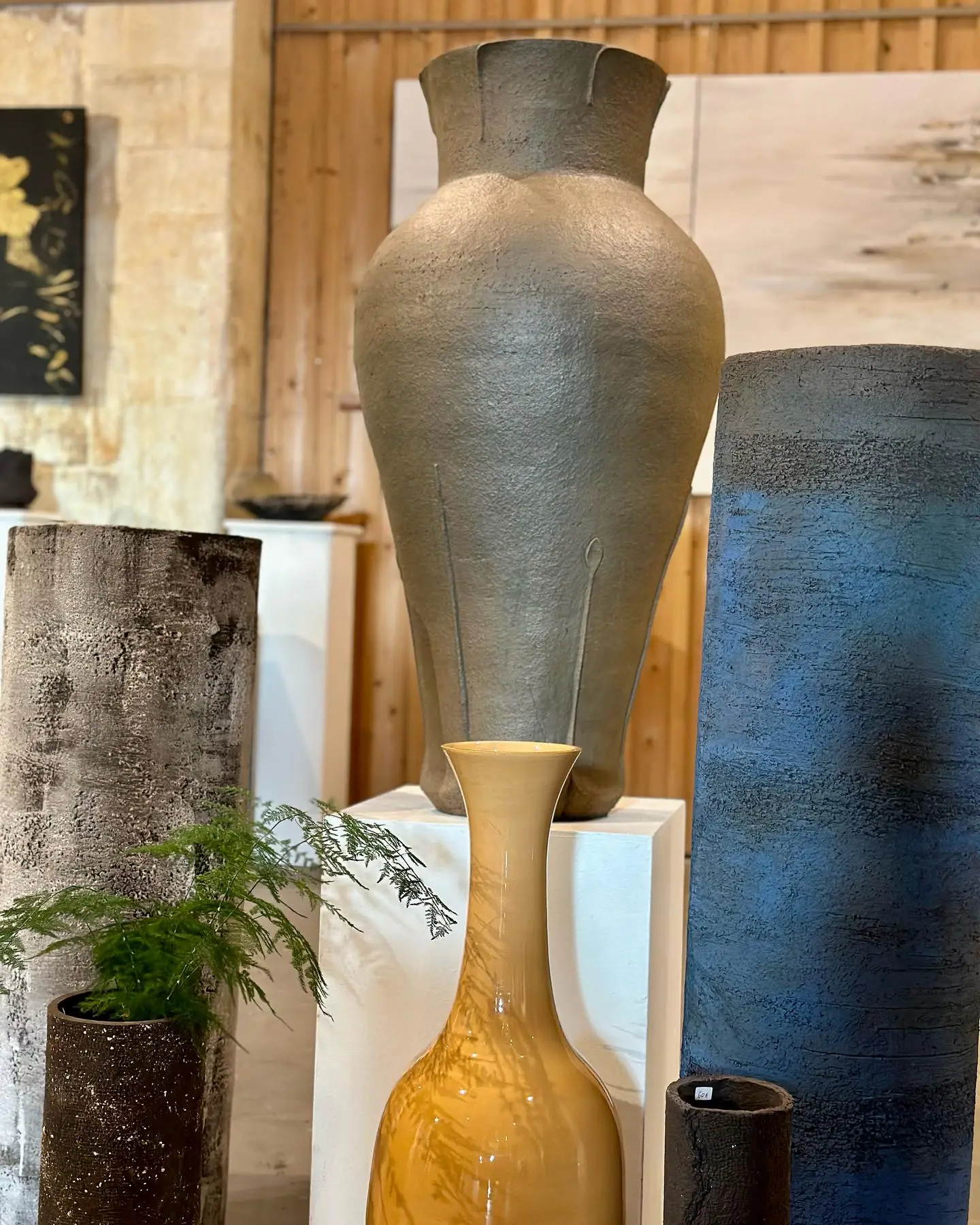
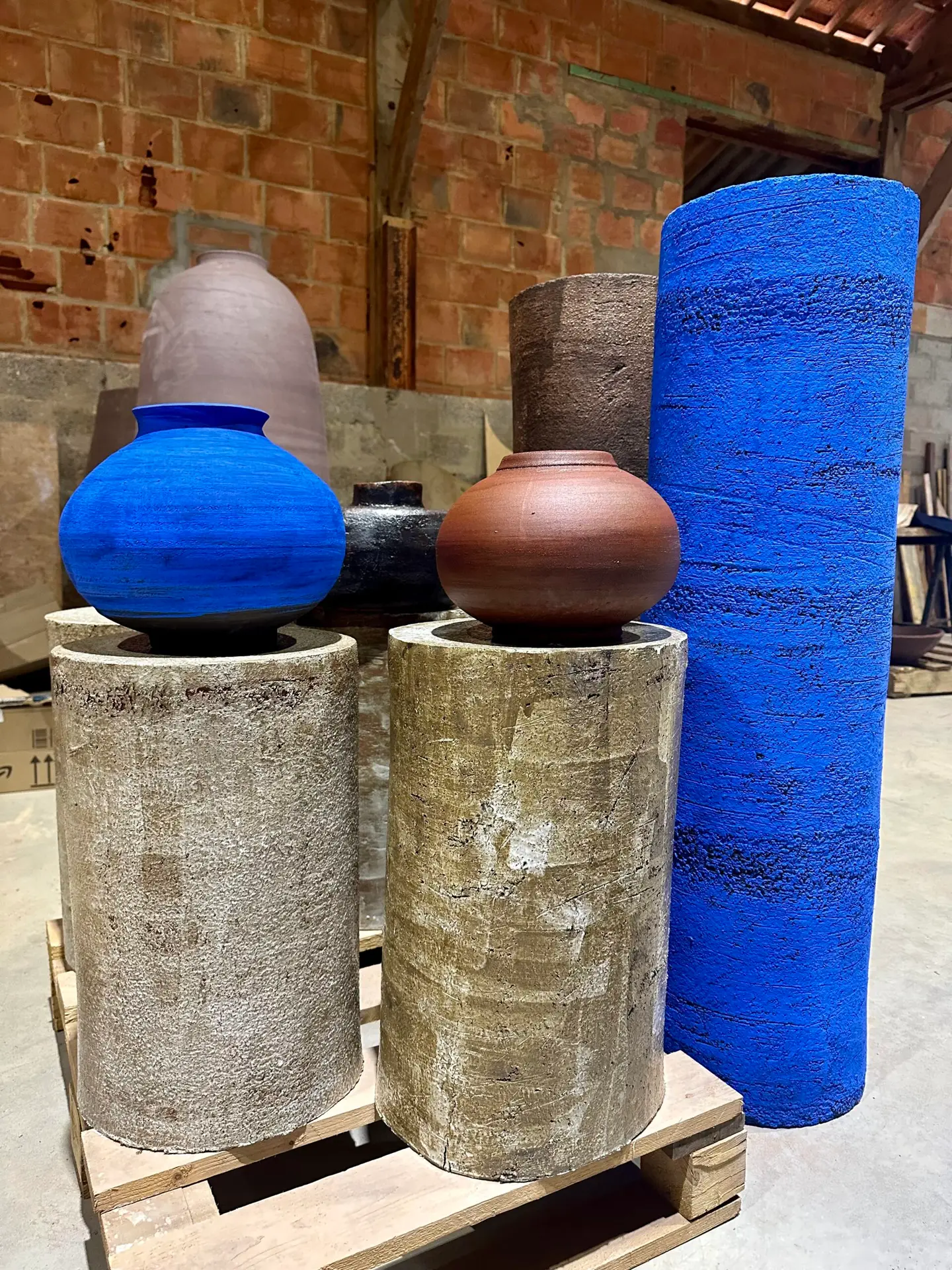
After taking the desired shape, the clay piece is generally left to dry in the open air or in a specialised kiln to remove excess moisture. Once dry, it can be fired at high temperature, transforming the clay body into strong, durable ceramic.
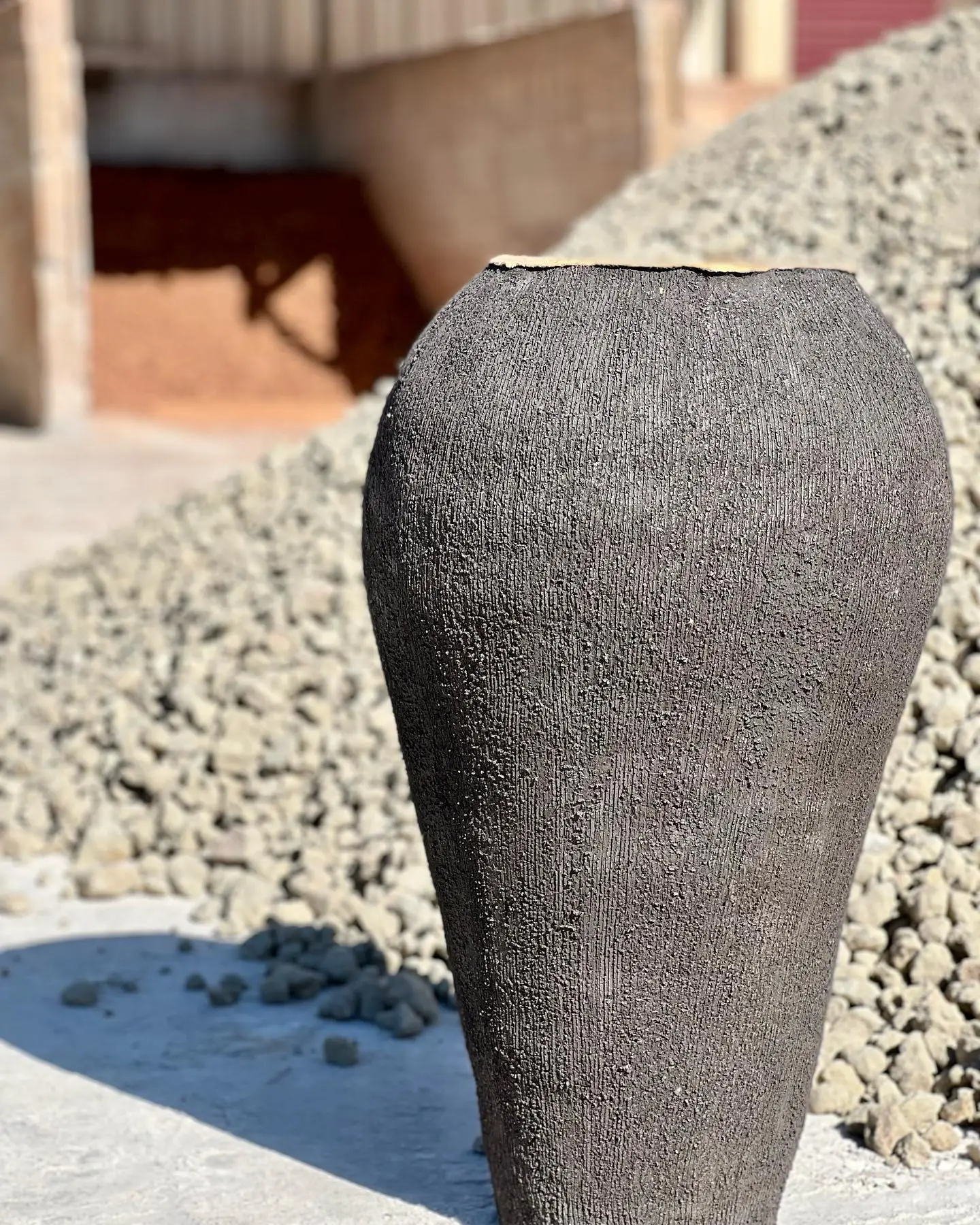
In short, producing clay bodies involves extraction, preparation, shaping, drying and firing, transforming a raw material into a work of art or a functional object.
INSTAGRAM
Final moments
Error validating access token: Session has expired on Sunday, 14-Sep-25 05:56:58 PDT. The current time is Wednesday, 12-Aug-26 06:38:45 PDT.